3 Signs You Need More Frequent Dental Checkups
You may need dental checkups more than twice a year if you have diabetes, are undergoing cancer treatment, or another high-risk condition that compromises healing. Active gum disease, dry mouth, or frequent cavities also signal that six-month intervals aren’t enough. And if your teeth, gums, or jaw hurt between visits, don’t wait—pain indicates active pathology. Each of these signs deserves a closer look.
Key Takeaways
- Persistent tooth pain or sensitivity signals active decay or infection, meaning a six-month recall interval is likely insufficient for your needs.
- Active gum disease, including bleeding or loose teeth, requires more frequent professional cleanings to prevent irreversible bone loss.
- Recurring symptoms like jaw pain or headaches between visits often indicate grinding or inflammation needing earlier professional evaluation.
- High-risk conditions like diabetes or cancer treatment increase infection risk, requiring dental checkups every three to six months.
- Frequent decay or dry mouth reduces acid buffering, shortening the safe interval between professional cleanings and fluoride interventions.
You Have Diabetes, Cancer Treatment, or Another High-Risk Condition
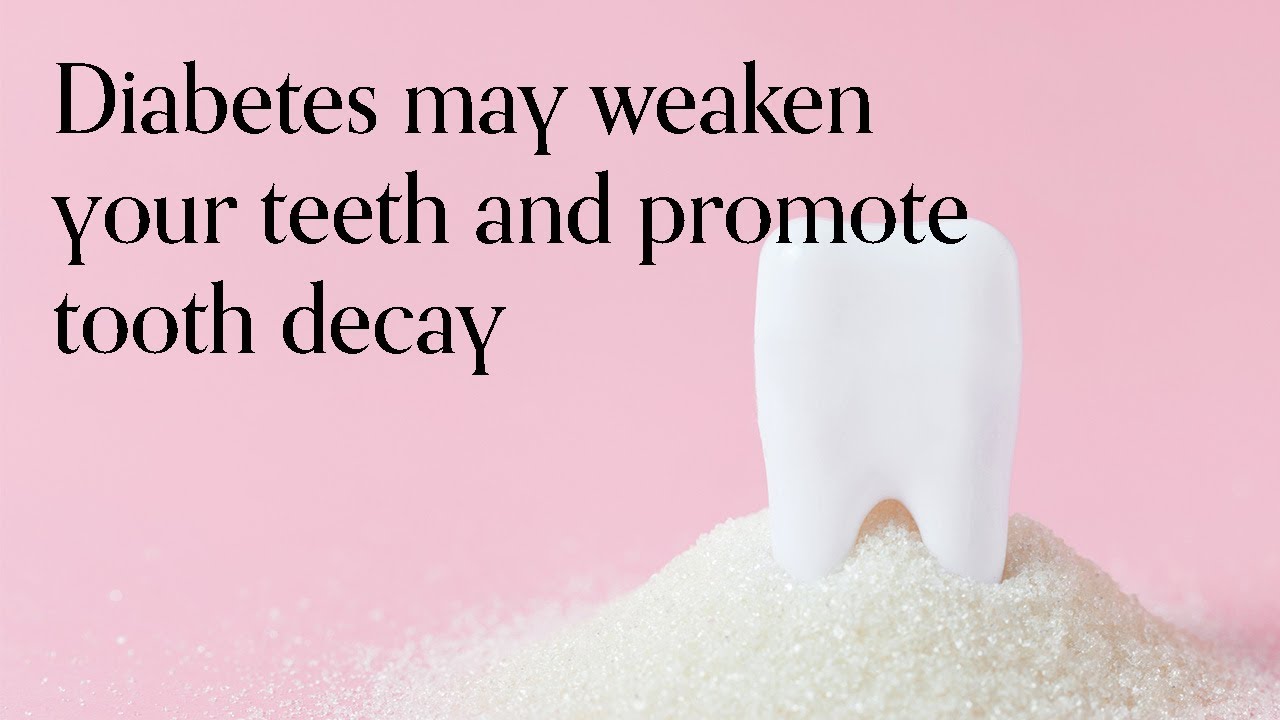
If you have diabetes, you’re already at higher risk for gum disease, oral infections, and delayed healing—and that risk rises further when blood glucose is poorly controlled.
Dentists typically recommend checkups every three to six months for diabetic patients, with frequency adjusted based on how well your condition is managed and whether complications are present. High blood sugar can also compromise immune response, increasing the likelihood of post-operative infections following dental procedures.
Cancer treatment creates similar urgency. Chemotherapy and radiation greatly increase your risk of mouth sores, fungal infections, mucositis, and taste changes.
Dental monitoring every three to six months during and after treatment helps catch and manage these complications early. Radiation can also lead to bone death, making timely dental evaluations a critical step in protecting long-term oral health.
In both cases, your dentist may coordinate directly with your physician or oncologist to time procedures safely and adjust your care plan as your health status changes. Pre-treatment dental visits may also be recommended to address existing oral health issues before cancer treatment begins.
You Have Active Gum Disease, Dry Mouth, or Frequent Cavities
Chronic systemic conditions aren’t the only reason your dentist might shorten your recall interval. Active gum disease, dry mouth, and frequent cavities each signal that your oral environment can’t stay stable between standard six‑month visits.
| Condition | Core Risk | Recall Implication |
|---|---|---|
| Gingivitis | Reversible inflammation | More frequent cleanings until resolved |
| Periodontitis | Irreversible bone loss | Ongoing periodontal maintenance visits |
| Dry mouth | Reduced acid buffering | Shortened intervals to catch early decay |
| High caries risk | Rapid cavity progression | Closer monitoring with fluoride intervention |
| Bleeding or loose teeth | Active disease progression | Prompt, unscheduled evaluation needed |
If you’re experiencing any of these conditions, waiting the standard interval puts you at measurable risk for accelerated tooth and bone loss. Gum disease can also cause persistent bad breath and the presence of pus around the gum line, both of which indicate that the condition is actively progressing and requires immediate professional attention. Tooth sensitivity to hot, cold, or sweet foods may also develop alongside these conditions, and worn enamel or gum recession can accelerate decay at a rate that standard six-month intervals are not designed to manage. Because brushing and flossing alone cannot remove all accumulated plaque and tartar, professional cleanings become especially critical when these conditions are present to reduce the risk of further gum inflammation and disease progression. When these warning signs are identified early, state-of-the-art diagnostic tools allow your dentist to detect and address problems before they progress into more costly and painful conditions.
Your Teeth, Gums, or Mouth Have Been Hurting Between Dental Visits

Tooth pain, sensitivity, or discomfort between visits isn’t something to push through until your next scheduled cleaning—it’s your mouth signaling active pathology that warrants prompt evaluation.
Persistent or throbbing pain often indicates pulp inflammation, infection, or structural compromise. Sensitivity to hot, cold, or sweets may reflect early decay, enamel loss, or microcracks that aren’t yet visible but are still progressing.
Pain when chewing or biting frequently points to cracked teeth, failing restorations, or advancing decay. Delaying assessment increases your risk of needing root canal therapy or extraction instead of simpler treatment. When caught early, moderate decay may be treatable with inlays or onlays rather than more invasive full coverage crowns.
If any of these symptoms appear between checkups, schedule an appointment immediately—don’t wait for your next recall. Recurring symptoms also signal that six-month intervals may no longer be sufficient for your level of risk. Discomfort in the mouth commonly reflects inflammation, decay, or infection that a dental exam can properly evaluate and address.
Frequent headaches or persistent jaw pain between visits may be connected to jaw tension or grinding, both of which a dental professional can assess and help manage before symptoms worsen. Teeth grinding, also known as bruxism, can accelerate tooth and jaw damage over time, making early professional assessment especially important.
Frequently Asked Questions
How Do I Know if My Dental Insurance Covers More Frequent Visits?
You might think it’s complicated, but it’s simple: check your plan’s preventive visit limits. Review your Explanation of Benefits, log into your member dashboard, or call your insurer to confirm covered visit frequency.
Can Children and Teenagers Also Need More Frequent Dental Checkups?
Yes, your child or teen may need more frequent checkups if they’re at high risk for decay, show signs of gum disease, grind their teeth, or have a history of cavities requiring closer monitoring.
Does Having Multiple Fillings or Crowns Mean I Need Extra Checkups?
Yes, having a mouth packed with fillings and crowns often means you’ll need checkups every 3–4 months. Your dentist actively monitors restoration integrity, detects recurrent decay early, and prevents minor issues from escalating into complex, costly procedures.
How Does Smoking Specifically Affect How Often I Should Visit?
Smoking considerably increases your gum disease and oral cancer risks, so you’ll need checkups every six months minimum. Your dentist must monitor healing complications, accelerated plaque buildup, and suspicious tissue changes that develop more rapidly between visits.
Can Pregnancy Alone Be a Reason to Schedule More Dental Appointments?
Yes, pregnancy alone justifies more frequent dental visits. Your hormones heighten gum sensitivity, your risk of gingivitis rises, and your oral conditions shift—making closer professional monitoring essential for protecting both your health and your baby’s.
Conclusion
Your oral health is constantly sending you signals—don’t ignore them. If you’re managing a serious medical condition, battling persistent gum disease, or experiencing unexplained pain, waiting for your annual checkup could cost you far more than you realize. The consequences of delayed care don’t always announce themselves loudly. They build quietly, then strike hard. Talk to your dentist now about whether you need more frequent visits before a minor issue becomes something irreversible.
References
- https://ecklandfamilydentistry.com/signs-you-might-need-dental-checkup-sooner-than-you-think/
- https://pascackdental.com/top-5-signs-you-need-to-schedule-a-dental-checkup-asap/
- https://www.serenityfamilydentalcare.com/blogs/is-it-time-for-a-dental-checkup-signs-you-shouldnt-ignore
- https://www.allsmilesmonett.com/blog/importance-of-regular-dental-checkups-for-oral-health/
- https://www.ballasdental.com/the-importance-of-regular-dental-checkups/
- https://www.deltadental.com/protect-my-smile/visiting-the-dentist/how-often-should-i-see-my-dentist/
- https://www.mouthhealthy.org/top-reasons-to-visit-dentist
- https://www.nhs.uk/live-well/healthy-teeth-and-gums/dental-check-ups/
- https://www.dezavaladentalandbraces.com/blog/6-reasons-to-see-the-dentist-every-6-months-the-importance-of-routine-dental-care
- https://www.cancersupportcommunity.org/blog/dental-checkups-role-in-cancer-prevention-early-detection
- https://www.loyolamedicine.org/blog-articles/essential-dental-care-cancer-patients
- https://www.nhsmilesbydesign.com/blog/is-it-okay-to-do-the-dental-treatment-during-high-blood-sugar/
- https://www1.deltadentalins.com/dentists/fyi-online/2024/dental-care-for-seniors-with-diabetes.html
- https://www.cdc.gov/diabetes/hcp/clinical-guidance/how-to-promote-oral-health-for-people-with-diabetes.html
- https://lonestardentalgroup.com/why-regular-dental-checkups-are-crucial-for-diabetic-patients/
- https://pmc.ncbi.nlm.nih.gov/articles/PMC10106814/
- https://riodentalgroup.com/blog/2024/03/04/diabetes-and-dental-treatment/
- https://diatribe.org/diabetes-complications/diabetes-and-dental-care-taking-care-your-teeth
- https://www.twissdental.com/2025/11/29/7-signs-you-need-a-dental-checkup/
- https://www.markpannetondds.com/why-regular-dental-checkups-are-key-to-preventing-gum-disease