Lifespan of Dentures: 7 Factors That Affect Durability
Choosing dentures is a big step. There is time in the chair, money on the line, and a lot of hope tied to that first look in the mirror. It is natural to wonder how long they will last and what can be done to keep them working and looking great. That is where understanding the lifespan of dentures really matters.
Most dentures last somewhere between five and ten years. That range may sound wide, and it is, because the lifespan of dentures depends on several things that happen both in the mouth and in daily life. Material quality, home care, diet, natural bone changes, professional maintenance, accidents, and denture type all play a part. Some of these factors are out of anyone’s control, but many are very manageable with the right habits and support.
The American College of Prosthodontists notes that most complete dentures last five to ten years before they need to be replaced.
In this article, we walk through seven key factors that affect the lifespan of dentures and explain what can be done to protect that investment. Along the way, we share practical tips for daily care, signs that it may be time for a reline or replacement, and when implant support can give longer lasting results. At Toland Dental in Melbourne and West Melbourne, we design custom dentures and implant restorations and then stand beside our patients for the long haul. By the end, the aim is simple: we want every reader to feel clear, calm, and confident about how to help their dentures last as long as possible.
Key Takeaways
Typical Lifespan: The lifespan of dentures is usually between five and ten years, but that number is only a guideline. It shifts based on material quality, how carefully the dentures are handled, and how much the mouth changes over time. Regular dental visits help keep that time frame on the longer side.
Material Matters: Denture materials make a big difference in how long an appliance can serve well. High grade acrylics, quality porcelain, and strong base materials stand up better to daily chewing forces. At Toland Dental, we choose materials with long term performance in mind so the dentures stay stable and attractive for years.
Daily Care Counts: Daily care is the factor that patients control the most. Gentle brushing, proper cleaning products, overnight soaking, and good oral hygiene protect both the denture and the gums. A simple routine helps prevent plaque buildup, staining, odors, and early wear of the denture surface.
Bone Changes Over Time: The mouth and jawbone keep changing after tooth loss, and that affects the fit of any denture. As bone shrinks, a snug fit becomes loose, which can cause sore spots, rocking, and faster wear. Professional relining and adjustments are needed from time to time to keep the denture fitting well.
Professional Care Saves Money: Professional maintenance stretches the lifespan of dentures and helps avoid emergency problems. Regular checkups, cleanings, and relines correct small issues before they turn into cracks, breaks, or painful mouth conditions. This care often saves money over the long term.
Implants Offer Added Stability: Implant supported and implant retained dentures give the longest lifespan and best stability for many patients. Implants help protect the jawbone and support the denture so it moves less and wears more evenly. At Toland Dental, we plan and place most implants in house, which gives a smooth and predictable path to long lasting smiles.
1. Denture Material Quality And Construction
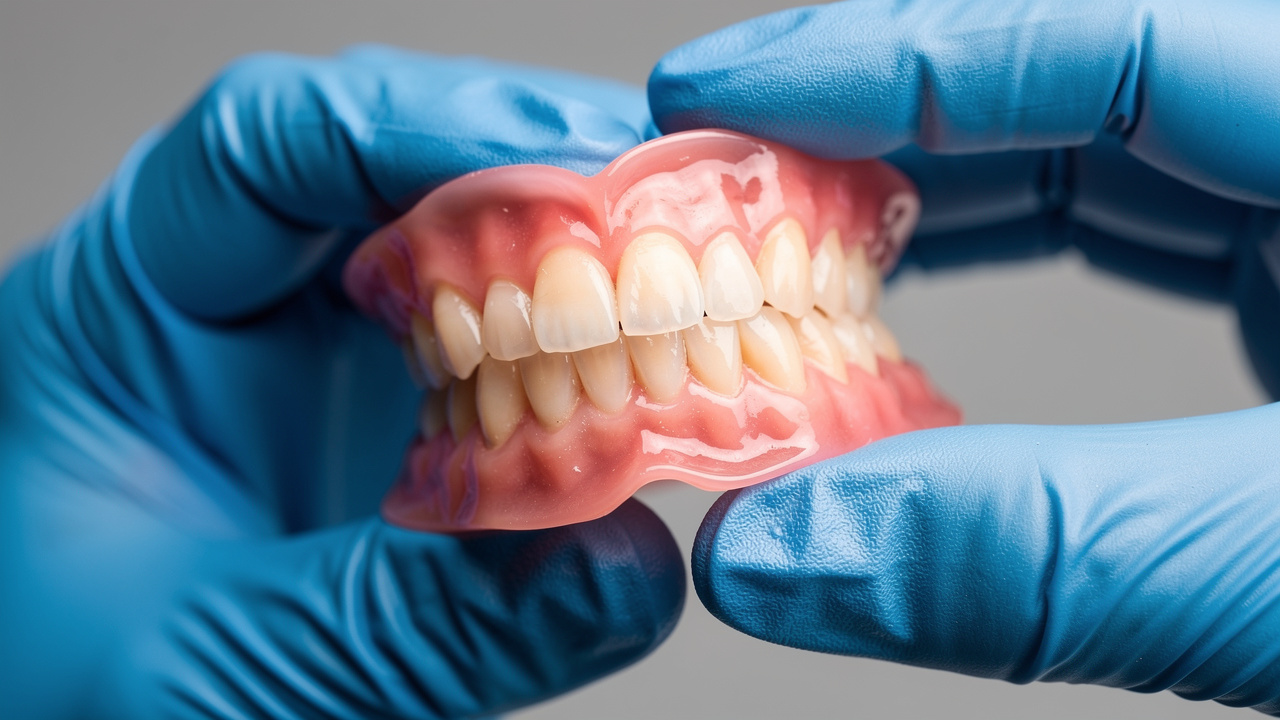
The materials used to make dentures are the starting point for how long they last and how they feel in daily life. When we talk with patients about the lifespan of dentures, we often begin with what the teeth and base are made from and how the pieces are put together.
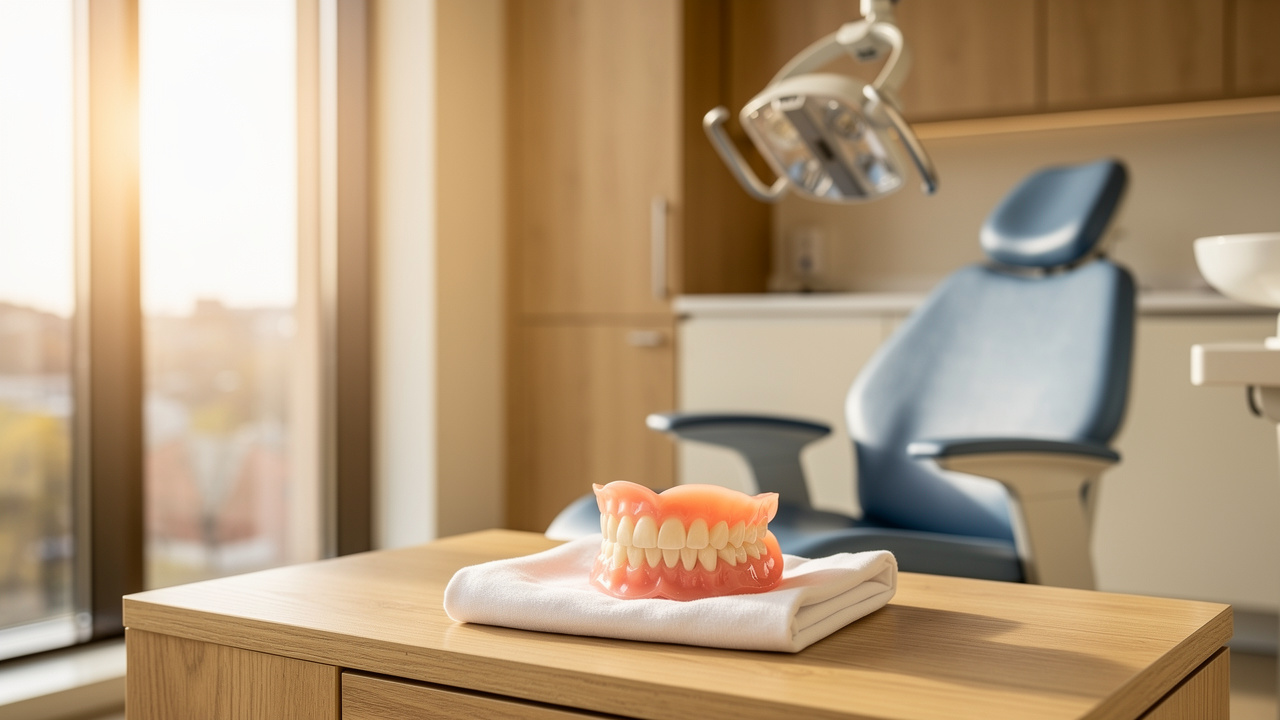
Most denture teeth are made from acrylic resin or porcelain:
Acrylic resin teeth
Lighter in weight and easier to adjust.
Bond very well to the pink acrylic base, which helps the teeth stay secure over years of chewing.
Softer than porcelain, so heavy chewing or teeth grinding can wear the biting surfaces down faster.
Porcelain teeth
Much harder and more resistant to wear and staining.
Often give a very lifelike shine and can keep their shape for a long time.
Can chip if the denture is dropped and may be rough on any natural teeth that bite against them, so selection is made with care.
The base of the denture can be made from different materials:
Rigid acrylic: Common for full dentures because it can be shaped closely to the gums.
Flexible nylon: Often used for certain partial dentures to improve comfort.
Metal frameworks (often cobalt-chrome): Used in many partial dentures to add strength and reduce bulk.
When the base is strong and well designed, it spreads bite forces evenly and supports a longer lifespan of dentures.
At Toland Dental, we select high quality porcelain and advanced composite materials based on each person’s bite, habits, and goals. Dr. Toland personally designs and directs the fabrication of every denture and implant restoration. This careful planning helps the teeth meet properly and the base fit smoothly, which supports comfort on day one and keeps the denture stable and reliable for many years.
2. Daily Care And Oral Hygiene Practices
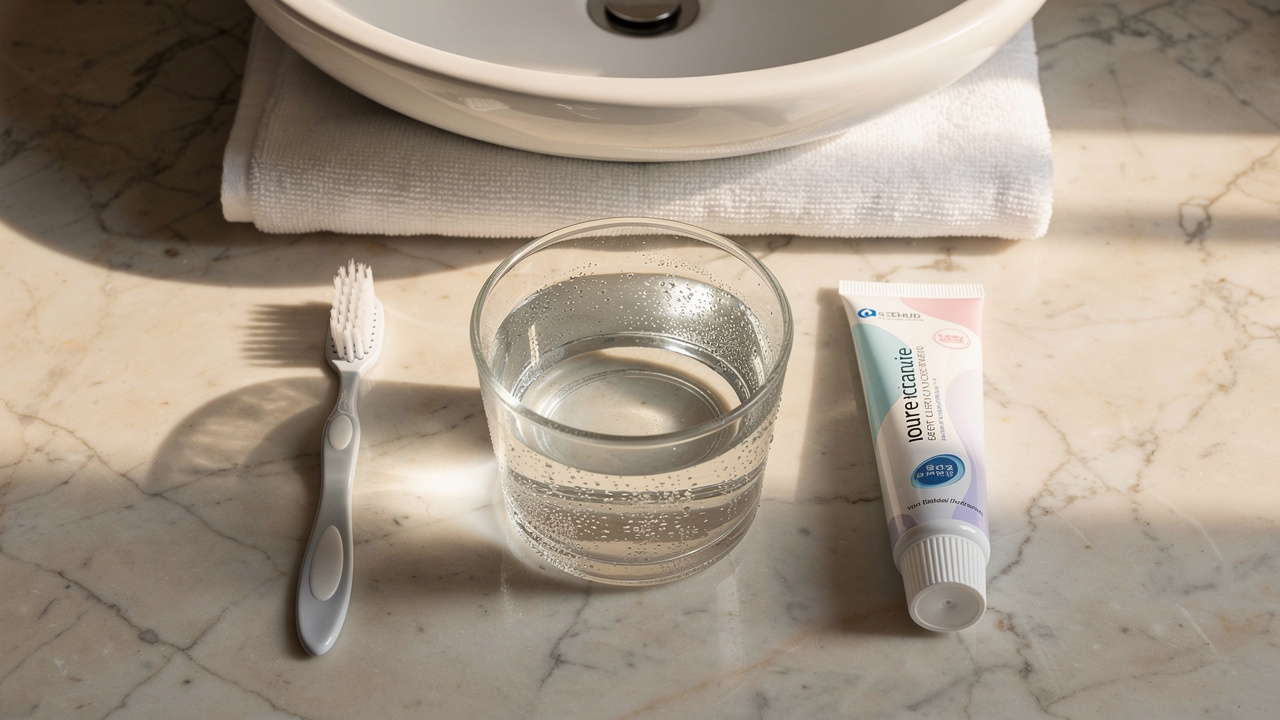
If material choice is the foundation, daily care is the day to day support for a long lifespan of dentures. How dentures are cleaned, soaked, and handled has a direct effect on how long they stay smooth, fresh, and intact. The good news is that a helpful routine is simple and does not take much time once it becomes a habit.
A practical daily plan includes:
Rinse after meals
Remove dentures and rinse under running water to wash away food debris.
This helps reduce staining, odors, and bacterial buildup.
Brush at least once a day
Use a soft denture brush and a non abrasive cleaner or mild soap.
Avoid regular toothpaste, which is too rough and can scratch the surface. Tiny scratches hold plaque and stains and can shorten the effective lifespan of dentures.
Clean the mouth, not just the denture
After taking the appliance out, gently brush the gums, tongue, cheeks, and any remaining teeth.
This helps prevent infections, sore spots, and bad breath.
A systematic review of oral hygiene practices demonstrates that a clean mouth gives a healthier base for the denture to sit on and helps it feel better during wear.
Soak overnight
Most dentures need to stay moist so they do not dry out or warp.
Place them in plain water or a recommended soaking solution during sleep to help maintain their shape.
Rinse well before putting them back in the mouth so no cleaner remains on the surface.
Sleeping without dentures in place gives the gums several hours of rest without pressure.
Handling also matters:
Clean dentures over a soft towel or a sink filled with water, so a slip leads to a cushioned landing instead of a hard surface.
Avoid harsh chemicals, bleach, hot water, and stiff brushes that can weaken or warp the material.
Store dentures in a safe, covered container when not in use.
At Toland Dental, every denture patient receives step by step instructions, written and verbal, on how to handle daily care. We review this at each visit, because steady habits extend the lifespan of dentures more than any other single factor within the patient’s control.
3. Natural Changes In Your Mouth And Jawbone
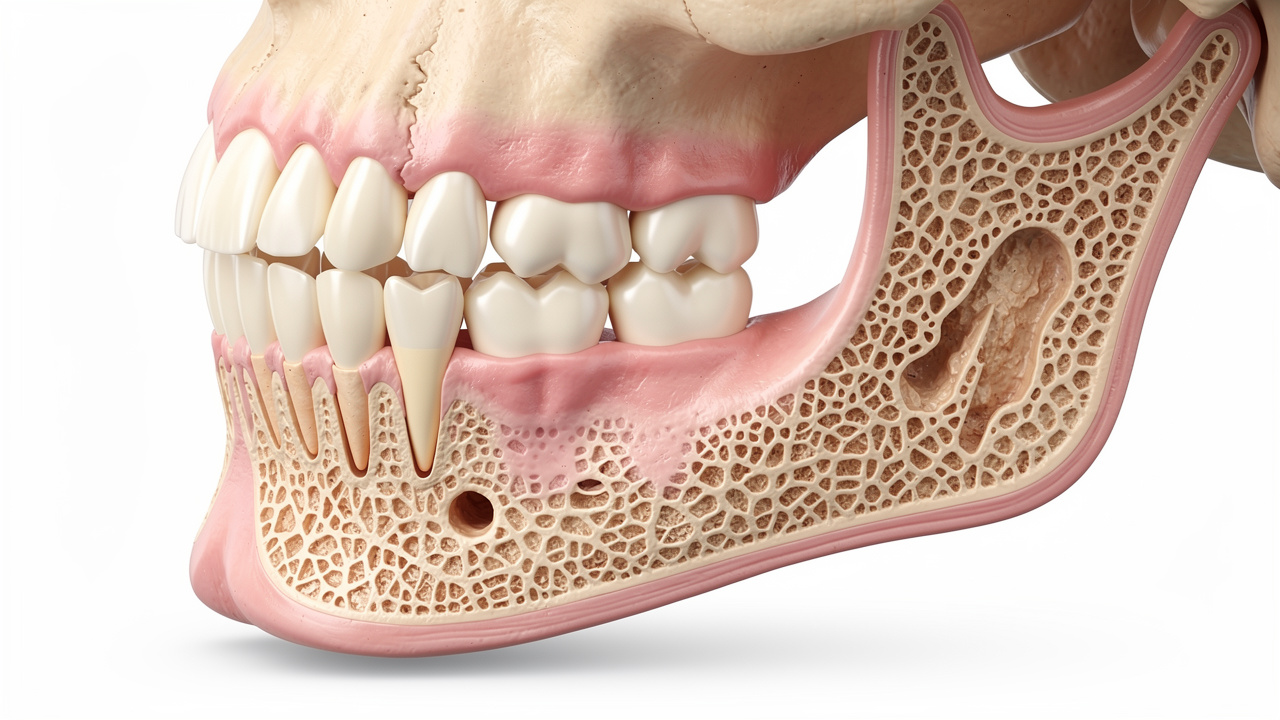
Even when dentures are well made and carefully cleaned, the mouth beneath them does not stay the same. After teeth are lost, the jawbone slowly shrinks in a process known as bone resorption. Without the pressure from natural tooth roots, the bone receives less stimulation, and over the years its height and width decrease. This quiet change is one of the biggest reasons the lifespan of dentures has a limit.
As the bone ridge and gums change shape, dentures that once felt snug begin to loosen. That loose fit can show up as:
Rocking when chewing.
Small gaps where food gets trapped.
Sore spots where the denture rubs.
Pressure concentrated in just a few areas, which can speed up wear or even lead to cracks and breaks in the acrylic base.
These changes are natural and happen for everyone at different speeds. They are gradual, but they never really stop. That means even a denture that still looks fine on the outside may no longer fit the way it should after several years. Regular checks with a dentist help track these shifts and decide when a reline or a new denture is wise to protect comfort and function.
Dental implants offer a powerful way to slow bone loss and extend the functional lifespan of dentures. Implants act like artificial roots and pass chewing forces into the bone, which helps keep it strong. Implant retained or implant supported dentures clip or screw onto these posts, giving a much firmer base than gums alone.
At Toland Dental, we use advanced three dimensional imaging to study the jawbone and plan implant placement. In many cases, the implants themselves can last a lifetime with good care, and the dentures they support can serve well for far longer than traditional designs.
4. Diet And Eating Habits

What someone eats has a direct effect on the lifespan of dentures. Every bite puts force on the teeth and base. Some foods are gentle and easy to manage, while others can chip, crack, or strain the appliance. We talk openly with patients about diet because a few small shifts can pay off in many extra years of comfortable chewing.
Foods and habits that can shorten denture life include:
Hard foods
Ice cubes, hard candy, and certain nuts can put sharp pressure on a small area of the denture.
One wrong bite can lead to a broken tooth or a fractured base.
Sticky foods
Caramel, taffy, and chewing gum can pull on the denture and loosen the seal.
Over time this may bend clasps or cause small cracks.
Very hot foods and drinks
Repeated exposure to high heat can slowly change the shape of acrylic dentures.
A warm cup of coffee is usually fine, but liquids that are close to boiling are not a good match for a long denture lifespan.
Simple adjustments help protect the appliance without taking away the joy of eating:
Cut firm foods into smaller pieces.
Chew more slowly and use both sides of the mouth to spread out the force.
Start with softer foods when first receiving dentures, then add firmer textures once confidence grows.
Soft and nutritious options that are gentle on dentures include:
Protein rich stews and soups.
Cooked vegetables and soft fruits.
Yogurt, eggs, and cottage cheese.
Tender meats, fish, and poultry.
For patients who want more freedom with crunchy or chewy foods, implant supported dentures are often a strong option. Because the denture is anchored to implants, it can handle greater chewing power with less rocking. At Toland Dental, we see that this extra stability not only increases comfort but can also extend the effective lifespan of dentures by reducing uneven stress.
5. Professional Maintenance, Relining, And Adjustments
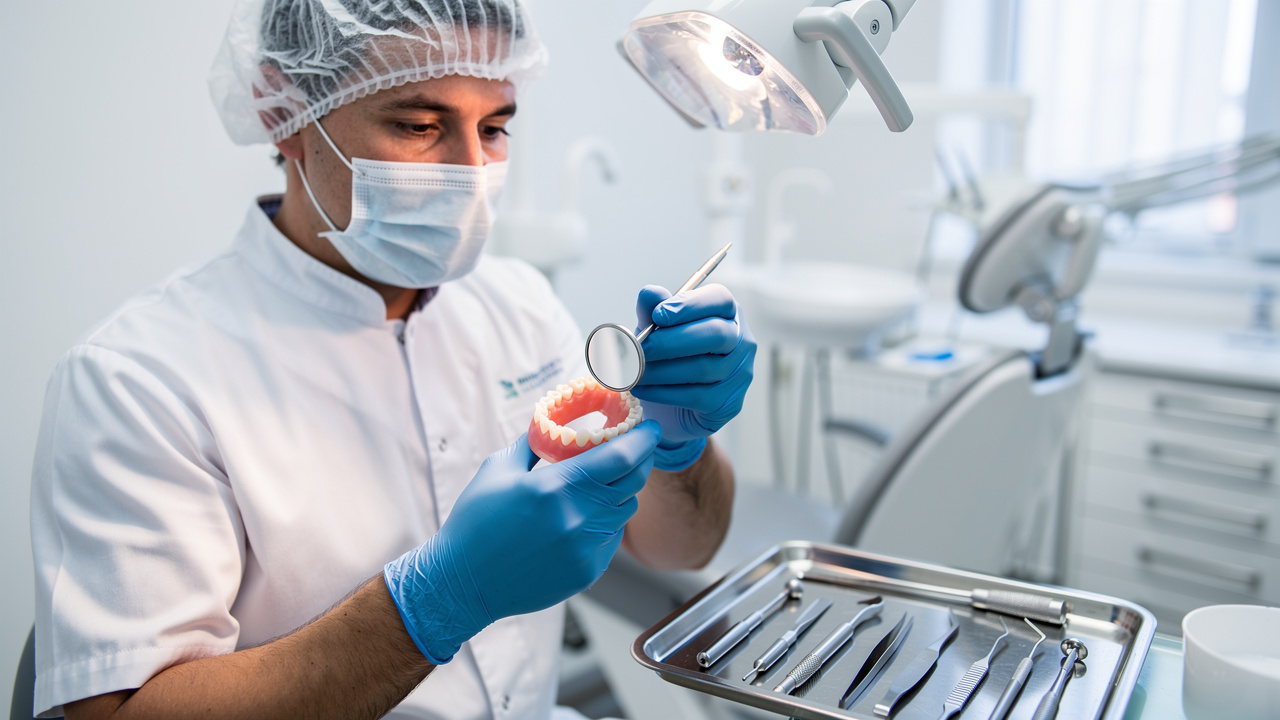
Just as a car needs tune ups to keep running well, dentures need regular professional care to keep serving comfortably. Many people are surprised to learn how much professional maintenance can stretch the lifespan of dentures and prevent sudden breaks or painful mouth problems.
We recommend denture wearers visit every six months for a checkup, just like patients with natural teeth. During these visits, we:
Examine the fit of the denture.
Look for any cracks, chips, or worn areas.
Check the health of the gums and other soft tissues.
Review bite alignment to catch high spots or early wear patterns.
If we find a problem early, a small adjustment can keep the denture working well and feeling smooth.
Relining is a special type of maintenance that refreshes the surface of the denture that touches the gums. As the bone and tissue shrink, this inside surface no longer matches the mouth. During a reline, new material is added to fill the gap and reshape the fit:
Chairside relines
Done in the office in a single visit.
Helpful for quick comfort changes.
Laboratory relines
Involve sending the denture to a lab for more detailed work.
Often last longer and can improve fit more precisely.
Professional cleanings also help the lifespan of dentures. Over time, stains, tartar, and tiny rough spots build up even with good home care. In our office, we use special tools and polishing pastes designed for denture materials. This restores a smooth surface, helps the appliance look fresher, and removes buildup that can irritate the gums.
Many dentists remind patients that “small adjustments now are far cheaper than a full remake later.”
The cost of regular maintenance is usually far lower than the cost of repairing or replacing a denture that has cracked from long term poor fit. At Toland Dental, we treat these visits as part of a long term care plan. Dr. Toland reviews each denture and implant restoration at least once a year, and our team watches for early warning signs so we can act before small issues become big ones.
6. Handling, Accidents, And Physical Damage
Dentures are made to stand up to chewing, but they still have limits. A single hard drop onto a bathroom sink can undo years of careful wear and sharply shorten the lifespan of dentures. That is why we spend time talking about safe handling and what to do when something goes wrong.
Common causes of damage include:
Dropping dentures during cleaning.
Squeezing or bending them with too much force.
Twisting or bending the metal clasps on partial dentures.
Leaving dentures where pets or small children can reach them.
Some people try to fix a small crack or a broken tooth at home with glue from a hardware store. This can change how the denture fits, damage the material, and make later repairs much harder.
Helpful habits to lower the risk of accidents:
Clean dentures over a folded towel or a sink filled with water.
Use a gentle grip and soft brush strokes.
Never use very hot or boiling water, since high heat can warp the plastic.
Store dentures in a sturdy, closed case when they are out of the mouth.
When traveling, keep dentures in a hard sided case to protect against drops and bumps.
Any damage, even a fine crack, should be checked by a dentist as soon as possible. Small defects tend to spread under chewing pressure and can lead to a complete fracture. Fast, professional repair can save the denture and avoid the cost of a full replacement. With a bit of care, accidents do not have to cut the lifespan of dentures short.
7. Denture Type And Support System
Not all dentures are built the same way, and the type of denture has a large effect on stability, comfort, and lifespan. When we help someone choose a design, we look at how much support the denture will have and how that support is likely to change over time.
Here is how common types compare:
Traditional full dentures
Rest on the gums and are held in place by suction on the upper jaw and by the shape of the bone ridge on the lower jaw.
The most familiar style and often last around five to seven years before a full replacement is wise.
Their lifespan depends heavily on how fast the jawbone shrinks, since bone loss changes the fit.
Partial dentures
Use both the gums and remaining natural teeth for support.
Metal clasps or precision attachments connect the denture to those teeth.
When the natural teeth stay healthy and strong, partial dentures can work well for five to ten years.
If the supporting teeth weaken or are lost, the partial may need major changes sooner.
Immediate dentures
Made before teeth are removed and placed the same day as extractions.
Help people avoid going without teeth while the mouth heals.
Meant to be temporary, because bone and gums shrink quickly in the first few months after extractions.
Require repeated adjustments and are later replaced with a new, more accurate set.
Implant retained dentures (snap in dentures)
Attach to dental implants with special fittings.
Can be removed for cleaning but feel much more secure than a traditional design.
Because the implants help slow bone loss and keep the denture from sliding, the denture portion often lasts ten to fifteen years, while the implants themselves can last much longer.
Implant supported dentures (fixed)
Secured to several implants with screws and do not come out at home.
Act more like a row of natural teeth.
This strong support helps protect the bone and gives the longest working lifespan of dentures, often twenty to thirty years with steady care.
In many cases, only the visible teeth and frame need replacement after many years, while the implants remain in place.
At Toland Dental, Dr. Toland plans and places most dental implants personally, using three dimensional imaging and guided techniques for precise placement. This close link between surgery and restoration helps us design dentures that fit the implants closely and share chewing forces in a balanced way. For many patients, this approach offers long term value, combining a longer denture lifespan with easier chewing and greater confidence.
Recognizing When It Is Time For Replacement
Even with excellent care, dentures will not last forever. Knowing when they are no longer serving well is an important part of protecting oral health and avoiding problems from stretching the lifespan of dentures past a safe limit. We encourage patients to pay attention to how their dentures feel, look, and work from day to day.
Common signs that dentures may need a reline or replacement include:
Changes in fit and comfort
Dentures feel loose or rock during eating.
They slip when speaking or laughing.
You rely on more and more adhesive to keep them steady.
Sore spots, pinching, or red areas on the gums do not clear quickly.
Changes in function
Chewing becomes harder, or foods that once were easy now feel risky.
Clicking sounds appear while talking or eating.
There is a new lisp or changes in speech.
You bite your cheeks or tongue more often.
Changes in appearance
Teeth look flattened, chipped, or cracked.
Deep stains do not respond to cleaning.
Visible fractures appear in the base or around clasps.
The face starts to look more “collapsed” because the dentures no longer support the lips and cheeks well.
Dentures that are seven to ten years old, even if they seem acceptable, deserve a careful evaluation because of steady bone changes over that stretch of time.
Delaying replacement or needed repairs can lead to mouth sores, infections, trouble eating a balanced diet, and even changes in facial shape from lack of support. At Toland Dental, we offer kind, judgment free evaluations for anyone who is unsure about the current state of their dentures. We talk through options and costs in clear language, so patients can decide when a new denture, a reline, or an implant upgrade makes the most sense.
Conclusion
The lifespan of dentures depends on far more than a simple number of years. Material quality, daily care, natural changes in the mouth, diet, professional maintenance, handling habits, and denture type all work together to shape how long a denture will feel comfortable and function well. While most dentures fall into the five to ten year range, some need help sooner and others last longer, based on these seven factors.
The encouraging news is that patients hold a lot of power in this picture. Gentle cleaning, smart food choices, safe handling, and steady dental visits all support a longer working life for dentures and protect the gums and bone underneath. At the same time, bone changes keep moving forward, so replacement or an upgrade to implant support is part of nearly every long term plan.
At Toland Dental, we take a full life view of every denture and implant case. We begin with careful design and precise fabrication, then provide ongoing maintenance, repairs, and guidance for years afterward. For many of our patients in Melbourne and West Melbourne, that care includes implant retained or implant supported dentures that offer extra stability and a longer lifespan. If there are questions or concerns about how current dentures are fitting or how long they might last, we invite a visit. Our friendly, family centered team, including our gentle therapy dog Piper, is here to help find the right path for a confident, comfortable smile.
FAQs
Question 1 – How Long Do Dentures Typically Last?
Most standard dentures last somewhere between five and ten years. Many people fall in the seven to ten year range when they have good daily care and regular professional maintenance. This time frame is an average, not a promise, because the lifespan of dentures is affected by material quality, how they are cleaned, and how much the mouth changes. Implant supported dentures can work well for twenty to thirty years or more when they are cared for carefully and checked often.
Question 2 – What Is The Most Important Factor In Making Dentures Last Longer?
The most important factor a patient can control is daily cleaning and care. Using a soft brush with a non abrasive cleaner, soaking overnight, and keeping the gums and tongue clean all protect the materials and the mouth. These habits help prevent plaque buildup, stains, and tiny scratches that can shorten the lifespan of dentures. Gentle handling during cleaning, without hot water or harsh chemicals, also lowers the risk of cracks or warping. At Toland Dental, we give clear, written care instructions to every denture patient and review them during visits.
Question 3 – How Often Should Dentures Be Relined?
Most dentures need a reline about every one to two years. A reline adds fresh material to the inside surface so it matches the current shape of the gums and bone. The exact timing depends on how quickly the bone is shrinking and how the denture is fitting. Signs that a reline is needed include looseness, sore spots, or new trouble eating. Regular relining helps extend the useful lifespan of dentures by restoring a snug, even fit.
Question 4 – Can I Extend The Life Of My Dentures With Adhesives?
Adhesives can offer short term help with minor looseness, but they are not a long term fix for poor fit. Relying on large amounts of adhesive to keep dentures in place often means the base no longer matches the gums. In that case, a reline or replacement is safer for the tissues and for the lifespan of dentures. Heavy adhesive use can also hide serious fit problems and delay needed care. If adhesive seems necessary most days, a professional evaluation at an office such as Toland Dental is the best next step.
Question 5 – Are Implant Supported Dentures Worth The Investment For Longer Life?
For many patients, implant supported dentures are a strong investment when long term comfort and stability are the main goals. The implants protect the jawbone and give a firm anchor, which often lets the denture portion last twenty to thirty years instead of the five to ten years that is common with traditional designs. People also gain better chewing power, less slipping, and more confidence in social settings. While the first cost is higher, fewer replacements and repairs over time often balance that out. At Toland Dental, Dr. Toland plans and places implants and designs the attached dentures, which gives a smooth, well coordinated experience from start to finish. We provide full evaluations to help each person decide if this path fits their health, goals, and budget.
Question 6 – What Foods Should I Avoid To Make My Dentures Last Longer?
Hard items such as ice, certain nuts, and hard candy can chip teeth or crack the base and are best kept as rare treats, if used at all. Very sticky foods like caramel, taffy, and chewing gum can pull on the denture and loosen the fit. Cutting firm foods into smaller pieces, chewing slowly, and using both sides of the mouth helps spread the pressure and protect the lifespan of dentures. Softer choices like cooked vegetables, tender meats, eggs, and yogurt still offer plenty of flavor and nutrition without placing extra strain on the appliance.