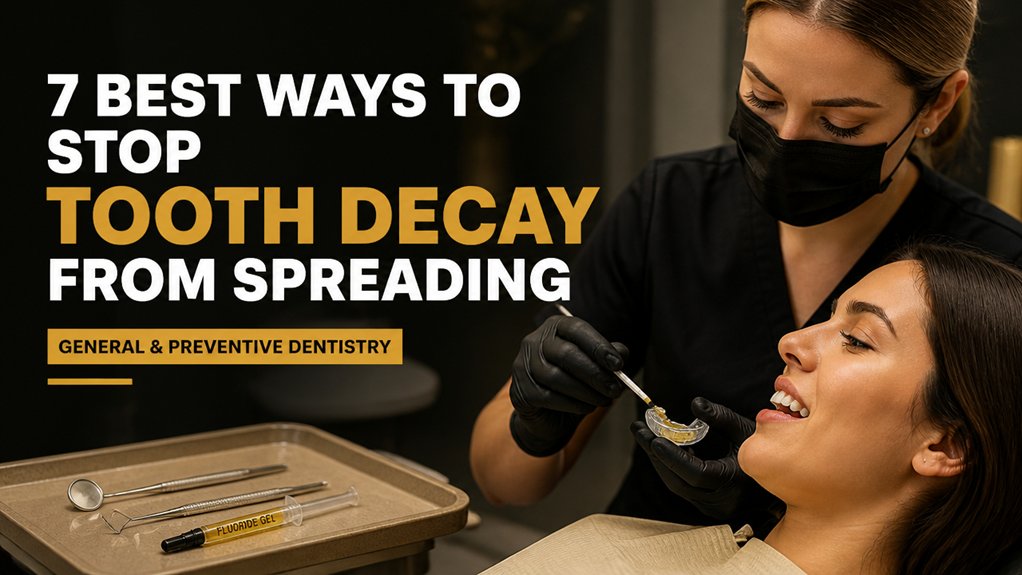
7 Best Ways To Stop Tooth Decay From Spreading
To stop tooth decay from spreading, you’ll need to act on multiple fronts. Use fluoride toothpaste twice daily, floss consistently, and cut sugary foods and acidic drinks from your routine. Drink fluoridated water to support enamel remineralization, and consider sealants for vulnerable back molars. Schedule dental checkups twice yearly so early lesions get caught before they worsen. Add sugar-free xylitol gum and oil pulling as adjunctive habits—each strategy ahead breaks this down further.
Key Takeaways
- Fluoride toothpaste and fluoridated water strengthen enamel, inhibit acid-producing bacteria, and can reverse early tooth decay before cavities form.
- Brush twice daily for 2–3 minutes and floss daily to remove plaque from the 40% of surfaces brushing misses.
- Limit sugary foods and drinks, concentrating them at mealtimes to reduce acid attacks on enamel throughout the day.
- Dental sealants protect back molar grooves, preventing up to 80% of cavities within two years of application.
- Regular dental checkups twice yearly enable early decay detection, allowing noninvasive treatments like fluoride therapy before cavities worsen.
Use Fluoride to Stop Early Decay From Spreading
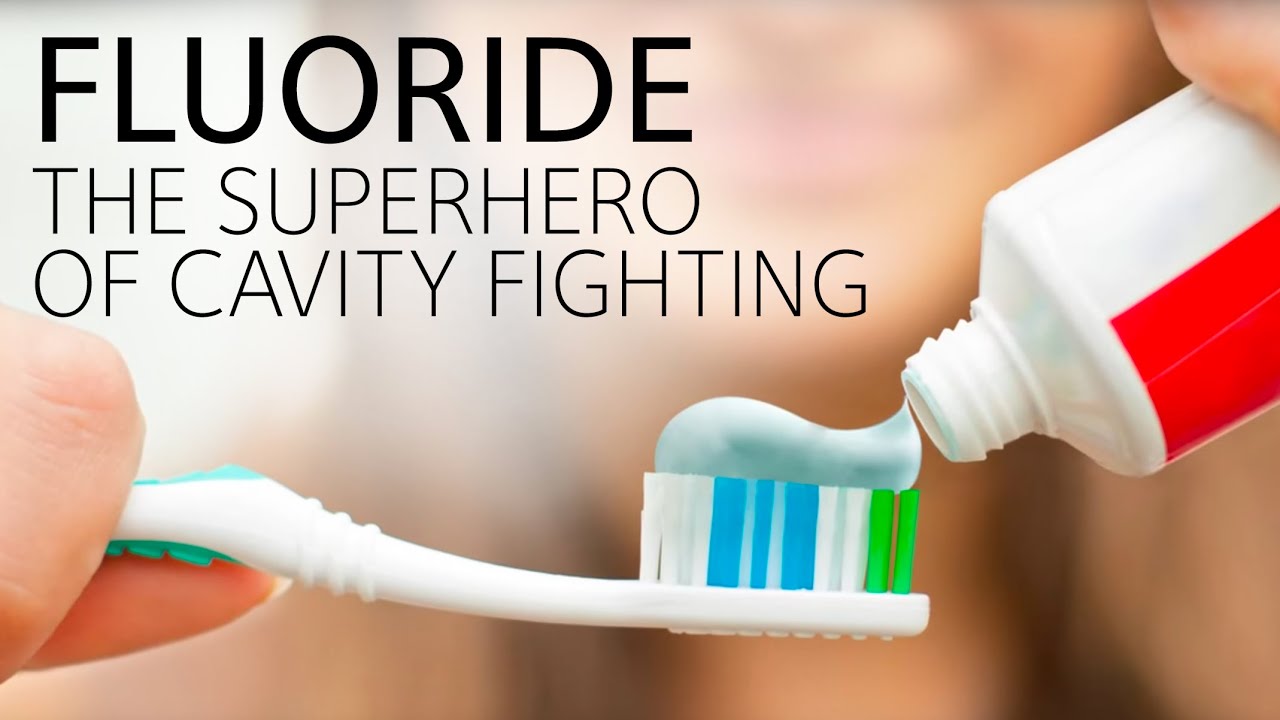
Fluoride is a naturally occurring mineral that prevents, stops, and reverses early tooth decay by working through two key mechanisms: inhibiting the bacteria that produce enamel-dissolving acids, and promoting remineralization of early demineralized enamel.
By disrupting bacterial metabolism, fluoride reduces acid output that would otherwise advance lesions toward cavitation. Simultaneously, it promotes calcium and phosphate redeposition into enamel, forming a stronger, more acid-resistant crystal structure.
To maximize these benefits, you’ll want frequent, low-level fluoride exposure throughout the day. Using fluoride toothpaste twice daily, drinking fluoridated water, and using fluoride mouthrinse when extra protection is needed keeps fluoride consistently present in your saliva and plaque—continuously supporting remineralization and arresting early decay before it progresses. For concentrated protection, professional fluoride treatments can significantly decrease demineralization and further strengthen enamel beyond what daily home care alone provides.
Community water fluoridation has been practiced since Grand Rapids, Michigan became the first city to fluoridate its water supply in 1945, leading to a reduction in childhood cavities of over 60% within a decade. Scheduling routine dental cleanings every six months allows your dentist to monitor early decay and apply additional preventive treatments before problems worsen.
Scientific research and over 100 health organizations worldwide endorse the benefits of fluoridated water, reflecting more than 70 years of evidence supporting fluoride’s safety and effectiveness in preventing tooth decay.
Brush and Floss Every Day Without Skipping
Brush your teeth at least twice daily, holding your toothbrush at a 45° angle to the gumline and using gentle circular strokes for 2–3 minutes to mechanically disrupt plaque on every tooth surface. Replace your toothbrush every 3-4 months to ensure the bristles remain effective at cleaning all tooth surfaces.
You’ll also need to floss once a day, wrapping the floss in a C-shape around each tooth and sliding it just under the gumline to remove interdental plaque your brush can’t reach. If you struggle with standard floss, floss picks or interdental brushes can offer a more convenient alternative without sacrificing effectiveness.
Skipping either habit allows plaque to accumulate, increasing your risk of enamel demineralization, cavities, and gum disease. Untreated gum disease can progress into periodontitis, which may ultimately result in tooth loss if left unaddressed. Reinforcing these daily habits early in life is essential, as preventive dental care for children, including fluoride treatments and sealants, helps establish a strong foundation for long-term oral health.
Proper Brushing Techniques
Twice-daily brushing with fluoride toothpaste—once in the morning and once before bed—forms the foundation of cavity prevention.
Brush for at least two minutes, using a soft-bristled toothbrush angled 45 degrees toward your gumline. Use short, gentle strokes rather than aggressive scrubbing, which damages enamel and causes gum recession.
Clean every surface systematically: outer, inner, and chewing surfaces of each tooth. For inner front teeth, hold the brush vertically and use short up-and-down strokes.
Pay particular attention to back molars and the tooth-gum junction, where plaque accumulates most heavily.
Nighttime brushing is especially critical—reduced saliva flow during sleep limits your mouth’s natural defenses.
Replace your toothbrush every three to four months, or sooner when bristles fray and cleaning effectiveness declines. Pairing consistent brushing with daily flossing ensures plaque and acid levels stay under control, stopping cavities before they have a chance to form.
Flossing daily is essential because without it, you miss cleaning one-third of tooth surface that your toothbrush simply cannot reach. When selecting toothpaste, look for products carrying the ADA Seal, which confirms the toothpaste meets established standards for safety and effectiveness in protecting your teeth.
Daily Flossing Benefits
While brushing cleans tooth surfaces effectively, it can’t reach the roughly 40% of total tooth surface area located between teeth—making daily flossing an essential, non-negotiable complement to your brushing routine.
Flossing disrupts biofilm before it mineralizes into tartar, removes fermentable debris driving enamel demineralization, and reduces pathogenic bacteria along the gingival margin. Untreated plaque that hardens into tartar significantly increases gum disease risk, making consistent flossing a critical defense before professional intervention becomes necessary. Bad breath reduction is another measurable benefit, as flossing eliminates odor-causing bacteria that accumulate in interdental spaces.
| Benefit | Mechanism | Clinical Outcome |
|---|---|---|
| Cavity prevention | Removes interdental plaque | Reduced enamel demineralization |
| Gingivitis control | Clears subgingival deposits | Lower bleeding and probing depth |
| Halitosis reduction | Eliminates decomposing debris | Fewer volatile sulfur compounds |
| Periodontal protection | Disrupts acidogenic biofilm | Less attachment loss |
| Systemic health support | Lowers chronic inflammation | Reduced cardiovascular risk |
Combined with brushing, daily flossing delivers measurably superior plaque and decay control than brushing alone. Research has also identified links between gum disease and atherosclerosis, meaning that consistent flossing supports cardiovascular health alongside dental health.
Cut Back on Sugar, Juice, and Acidic Drinks
Cutting back on sugar, juice, and acidic drinks is one of the most direct ways to reduce your cavity risk. Sugary foods and beverages feed acid-producing bacteria, accelerate plaque formation, and drive enamel demineralization.
Limiting fruit juice, soda, and sports drinks decreases your teeth’s overall sugar exposure and reduces continuous acid attacks.
Timing matters as much as quantity. Concentrate sugary or acidic foods at mealtimes rather than sipping throughout the day, since frequent exposure prevents enamel from remineralizing between episodes.
Avoid anything sugary after your bedtime brushing, as reduced nighttime saliva impairs acid repair. Acidic drinks like citrus juice and carbonated sodas also soften enamel directly, compounding decay risk.
Research published in the British Medical Journal indicates that reducing sugar intake can even support reversal of existing decay. Drinking plenty of water throughout the day helps wash away harmful sugars and supports saliva production, which is essential for enamel repair.
Brushing twice daily with fluoride toothpaste further strengthens enamel and helps counteract the damage caused by sugary and acidic foods. Scheduling dental checkups twice yearly allows your dentist to detect early decay before it progresses to more advanced stages requiring complex treatment. When decay does advance, restorative dentistry options such as tooth-colored fillings can replace damaged areas while preserving the natural appearance of your smile.
Drink More Water to Rebuild and Repair Enamel
Drinking more water is one of the simplest, most effective strategies you can add to your cavity-prevention routine. Water stimulates saliva production, which delivers calcium and phosphate directly to demineralized enamel, supporting active remineralization.
Drinking more water supports cavity prevention by stimulating saliva production, which delivers calcium and phosphate to strengthen enamel.
Saliva also neutralizes bacterial acids that erode enamel surfaces between brushing sessions. Drinking water after meals dilutes residual sugars and acids, reducing the window during which bacteria can generate damaging byproducts.
Choosing fluoridated tap water amplifies these benefits, since fluoride ions integrate into enamel and strengthen its resistance to future acid attacks. Unlike bottled water, fluoridated tap water maintains a consistent low-level fluoride presence in saliva and plaque fluid. Pediatric dentists often recommend fluoride treatments for children alongside regular water consumption to further reinforce enamel protection during the cavity-prone early years.
Aim to sip water consistently throughout the day rather than consuming large amounts infrequently to sustain these protective effects. Regular water consumption also helps reduce plaque buildup, decreasing the risk of gum disease and cavities over time.
Water also serves as a natural defense against harmful oral bacteria by diluting germs in the mouth, limiting their ability to proliferate and contribute to decay and gum disease.
Studies have shown that children in communities with access to fluoridated water benefit from lower cavity rates, highlighting the long-term protective impact water can have when consumed regularly from an early age.
Protect Decay-Prone Back Teeth With Sealants
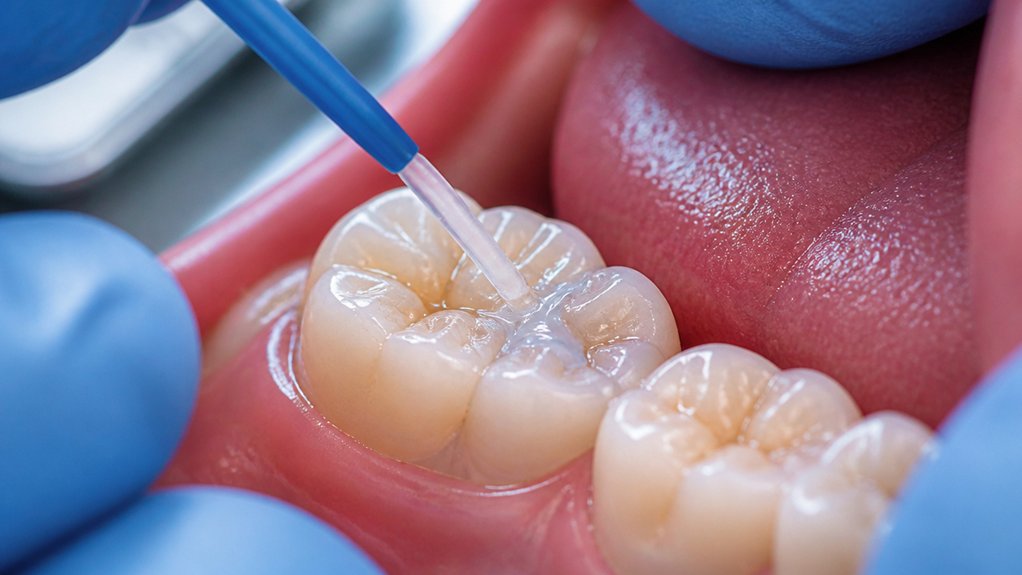
Hydration supports remineralization across most tooth surfaces, but the deep grooves, pits, and fissures of your back molars and premolars present a structural challenge that water and fluoride alone can’t fully address.
These surfaces trap food, bacteria, and acids, making them disproportionately vulnerable to decay.
Dental sealants—thin resin or glass ionomer coatings bonded directly to enamel—physically seal out these cavity-causing agents.
Research confirms they prevent up to 80% of molar cavities within two years of application and approximately 50% over four years.
The procedure is painless, requires no drilling, and takes minimal chair time.
Sealants typically last 5–10 years.
Placement is most effective shortly after first molars erupt around age six, though high-risk adults benefit as well. In fact, nine out of ten cavities occur in back teeth, underscoring just how critical targeted protection for these surfaces truly is.
Before the sealant is applied, teeth are thoroughly cleaned, dried, and disinfected with dental ozone to ensure a clean surface for optimal bonding and long-term protection.
Some sealants also release fluoride continuously, actively strengthening enamel and supporting remineralization even after the coating is in place.
When decay does progress beyond what sealants can prevent, inlays and onlays offer a conservative restorative option that addresses moderate damage without requiring a full crown.
See Your Dentist Before Small Cavities Get Bigger
Early tooth decay begins as microscopic mineral loss in enamel—often painless and invisible to the naked eye—but a dental exam can catch it before it becomes a cavity you can’t reverse.
Bitewing X-rays detect white-spot and between-tooth lesions before cavitation develops, giving your dentist the opportunity to manage them noninvasively through fluoride therapy and dietary changes.
Once a visible cavity forms, you’ll need a filling. Treating it early means a smaller restoration, less anesthesia, and a shorter appointment.
The sooner you treat a cavity, the smaller the filling—and the faster you’re back out the door.
Leave it untreated, and decay advances into dentin and pulp, raising your risk of abscess, root canal therapy, or extraction. If pain or swelling develops suddenly, emergency dental services can provide immediate assessment and pain management to prevent further complications.
Routine dental visits—at least annually—keep lesions small and your treatment options conservative, protecting both your oral health and long-term tooth function. Regular dental visits also allow for early detection of decay before it progresses to a stage that requires more invasive and costly treatment.
Add These Smaller Habits to Cut Cavity Risk Further
Beyond brushing and flossing, a few smaller habits can meaningfully reduce your cavity risk.
Chewing sugar-free gum after meals stimulates saliva flow, which neutralizes acids and supports enamel remineralization. Look for gum containing xylitol to further reduce cavity-causing bacteria in the mouth.
Oil pulling—swishing a tablespoon of oil for several minutes—may reduce oral bacterial load, though it works best as a supplement to, not a replacement for, evidence-based hygiene practices. Staying well hydrated throughout the day supports consistent saliva flow, which helps protect teeth by neutralizing harmful acids.
Limiting sugary snacks between meals gives your teeth more time to recover, as frequent acid exposure is one of the primary drivers of mineral loss and eventual cavity formation.
Try Oil Pulling
Oil pulling is an ancient Ayurvedic practice that involves swishing roughly one tablespoon of edible oil—commonly coconut, sesame, or sunflower—around your mouth for 10–20 minutes before spitting it out.
The oil binds oral microbes and debris, modestly reducing bacterial load. Evidence remains limited, but some studies note activity against *Streptococcus mutans*.
Follow this protocol:
- Choose your oil: Extra-virgin coconut oil is preferred for its lauric acid content, which carries documented antimicrobial properties.
- Time it correctly: Pull once daily, ideally in the morning, then brush thoroughly afterward to remove residual oil film.
- Spit into a trash can: Avoid drains—solidified oil causes clogs.
Oil pulling is strictly adjunctive. It won’t reverse existing cavities or replace fluoride, flossing, or professional care.
Chew Sugar-Free Gum
Another low-effort habit worth adding alongside oil pulling is chewing sugar-free gum, particularly varieties containing xylitol. Chewing stimulates saliva flow up to ten times above baseline, neutralizing post-meal acids before they erode enamel.
Aim to chew within 20 minutes after eating, since acidic conditions typically persist 20–30 minutes following meals.
Xylitol specifically inhibits Streptococcus mutans, the primary cavity-causing bacteria, by up to 90% with consistent use. Since bacteria can’t metabolize xylitol, acid production stops.
Target 3–5 grams daily across multiple pieces spaced throughout the day.
Clinical evidence supports these benefits: long-term users experience roughly 28% fewer cavities than non-users.
Choose products listing xylitol among the first ingredients and bearing the ADA Seal of Acceptance for verified therapeutic benefit.
Frequently Asked Questions
Can Tooth Decay Spread From One Tooth to an Adjacent Tooth?
Yes, tooth decay can spread to adjacent teeth. When you leave a cavity untreated, cariogenic bacteria like *S. mutans* transfer via plaque and saliva, colonizing neighboring surfaces and accelerating demineralization on surrounding enamel.
Does Pregnancy Increase the Risk of Tooth Decay Spreading Faster?
Yes, pregnancy skyrockets your cavity risk. Hormonal shifts fuel cariogenic bacteria growth, morning sickness erodes enamel with acid, and fatigue reduces brushing frequency—all accelerating decay progression and increasing the likelihood it spreads to neighboring teeth.
How Quickly Can an Untreated Small Cavity Become a Serious Problem?
Your untreated small cavity can become serious within weeks to months. You’re at risk of pulp infection, abscesses, and significant structural damage if you delay treatment, with high-risk individuals seeing rapid progression in as little as six weeks.
Can Certain Medications Make Tooth Decay Worse or Harder to Stop?
Yes, certain medications can worsen decay. Antidepressants, antihistamines, and blood pressure drugs reduce saliva, accelerating bacterial acid damage. Sugary syrups and acidic supplements feed cavity-causing bacteria, making it harder for you to halt progression.
Is Tooth Decay Hereditary or Influenced by Genetics at All?
Yes, genetics do influence your cavity risk. Genes affecting enamel strength, saliva composition, and immune response account for roughly 20–65% of your susceptibility, though ideal hygiene and diet can still prevent most decay.
Conclusion
Tooth decay doesn’t reverse itself, but you can stop it from spreading when you act early and stay consistent. You’re protecting your enamel when you choose fluoride, you’re eliminating bacterial fuel when you cut sugar, and you’re catching problems before they worsen when you visit your dentist regularly. Each habit compounds the others. Apply these seven strategies now, and you’ll keep small areas of decay from becoming costly, irreversible damage.
References
- https://www.listerine.com/articles/cavity-prevention/easy-cavity-prevention
- https://www.rejuv-health.com/biological-dentistry/how-to-prevent-tooth-decay-naturally/
- https://edgewaterdental.ca/blog/six-simple-ways-to-heal-tooth-decay-and-reverse-cavities/
- https://www.cdc.gov/oral-health/about/cavities-tooth-decay.html
- https://www.nidcr.nih.gov/health-info/tooth-decay/more-info/tooth-decay-process
- https://www.youtube.com/watch?v=OE-9E8Dj6wU
- https://www.gentledental-mi.com/blog/7-essential-tips-for-cavity-prevention
- https://www.mayoclinic.org/diseases-conditions/cavities/diagnosis-treatment/drc-20352898
- https://www.unitedconcordia.com/business-services/employers/blog/how-to-prevent-cavities-7-surprising-tips
- https://www.pinellaspediatricdentistry.com/blog/can-fluoride-reverse-early-tooth-decay/
- https://www.mouthhealthy.org/all-topics-a-z/fluoride
- https://www.nidcr.nih.gov/health-info/fluoride/ask-expert-why-fluoride-good-dental-health
- https://www.aap.org/en/news-room/fact-checked/fact-checked-fluoride-is-a-powerful-tool-for-preventing-tooth-decay/
- https://my.clevelandclinic.org/health/treatments/11195-fluoride
- https://www.cdc.gov/mmwr/preview/mmwrhtml/rr5014a1.htm
- https://toppinoledental.com/blog/are-you-at-high-risk-for-cavities-let-your-dentist-recommend-the-right-fluoride-treatment
- https://www.health.harvard.edu/healthy-aging-and-longevity/rinse-brush-floss-scrape-and-repeat
- https://dcpdsmiles.com/best-ways-to-prevent-cavities/
- https://www.cda-adc.ca/en/oral_health/cfyt/dental_care/flossing_brushing.asp
- https://www.mouthhealthy.org/all-topics-a-z/flossing