10 Signs You Need Your Teeth Cleaned Now
Your mouth gives clear warning signs when it’s time for a professional cleaning. You might notice persistent bad breath, bleeding or puffy gums, a slippery film on your teeth, or visible yellow and brown tartar buildup along your gumline. Receding gums, tooth sensitivity, looseness, or a shifted bite signal more serious concern. Even heavy staining and simply being overdue past six months matter. Each sign tells a story worth understanding.
Key Takeaways
- Persistent bad breath despite regular brushing and flossing often signals bacteria in deep gum pockets that only professional cleaning can eliminate.
- Bleeding, red, or swollen gums during brushing indicate plaque buildup and early gum disease requiring professional attention.
- Visible yellow or brown crusty deposits along the gumline confirm tartar buildup that only professional scaling can remove.
- Tooth sensitivity to hot, cold, or sweet foods may signal enamel damage or gum recession needing professional evaluation.
- If six months have passed since your last cleaning, plaque has recolonized, significantly increasing your risk for tartar and gingivitis.
Your Breath Stays Bad Even After Brushing and Flossing
If you brush and floss consistently but your breath still smells, the problem likely isn’t your technique—it’s what your toothbrush and floss can’t reach. Bacteria accumulate in deep gum pockets, on the back of your tongue, and in interdental spaces, producing volatile sulfur compounds that cause persistent halitosis.
Over time, unremoved plaque hardens into tartar, which harbors odor-causing bacteria that home care can’t eliminate.
Dry mouth compounds the problem. Without adequate saliva, debris and bacteria linger longer on your teeth and soft tissues. If your floss smells after use or your tongue carries a visible coating, those are reliable indicators that bacterial reservoirs are active.
Professional cleaning removes subgingival plaque and tartar, addressing the sources your daily routine can’t. Certain foods like garlic and onions can also enter the bloodstream and affect your breath long after eating, meaning dietary choices may be contributing to odors that brushing alone cannot resolve.
Gum disease is another common driver of persistent bad breath, and bleeding, red, or swollen gums are early warning signs that the bacteria in your mouth have progressed beyond what routine home care can manage. In more advanced cases, a dental infection can develop beneath the gumline, creating a source of odor and bacteria that requires professional intervention to treat effectively. Tonsil stones can also develop silently over time, forming bacterial biofilms in the tonsils that contribute to persistent foul odors even when your teeth and gums appear healthy.
Your Gums Bleed Every Time You Brush
Bleeding gums every time you brush isn’t normal, and it’s one of the clearest early signals that plaque has built up along your gumline to the point of causing gingival inflammation.
Plaque irritates gum tissue, triggering the redness and bleeding you’re seeing. At this stage, you’re likely dealing with gingivitis, which is controllable with professional cleaning and improved home care.
Gingivitis is controllable — but only if you act before plaque turns a fixable problem into something far worse.
Before assuming the worst, consider your technique. Aggressive brushing or a hard-bristled toothbrush can cause mechanical trauma that mimics gum disease.
Switch to a soft-bristled brush and gentle strokes.
If bleeding persists despite proper technique, plaque or tartar buildup requires professional removal. Scaling and root planing may be necessary to remove tartar deposits that have hardened below the gumline and cannot be addressed with brushing alone.
Medications, smoking, diabetes, and stress can also worsen gingival bleeding, making a dental evaluation essential for identifying the underlying cause. A misaligned bite can also place incorrect pressure on teeth and supporting tissue, increasing your risk for gum recession and bleeding over time.
Deficiencies in vitamin C and K can impair your body’s ability to heal gum tissue, making it more susceptible to bleeding even with proper brushing habits. Dentists who prioritize preventive dental care can identify early signs of gum problems before they progress into more complex and costly conditions.
Your Gums Look Red, Puffy, or Feel Tender to the Touch
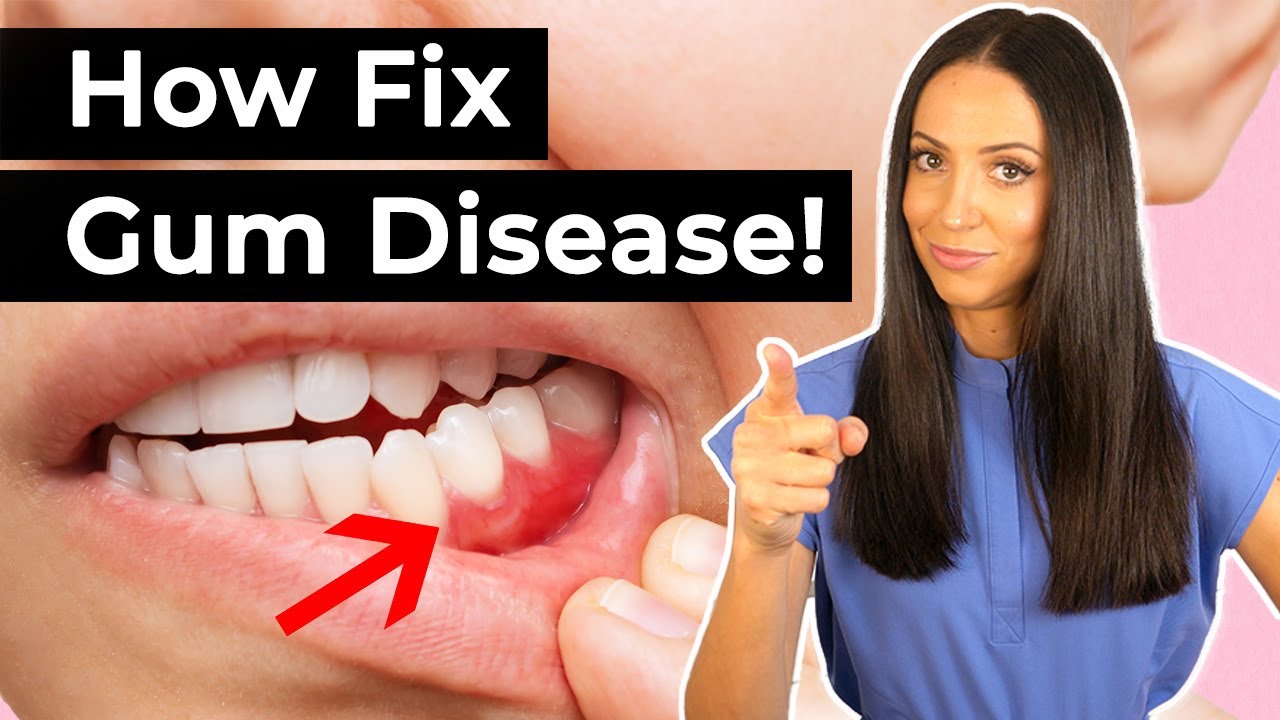
Red, puffy, or tender gums are your body’s visible warning that inflammation has taken hold along your gumline. Healthy gums are firm, pale pink, and fit tightly around teeth. When yours appear bright red, swollen, or hurt when touched, you’re likely experiencing gingivitis—a direct response to plaque accumulating where your toothbrush misses.
Plaque left undisturbed hardens into tartar, which you can’t remove at home. Only professional scaling eliminates this buildup and stops ongoing irritation. Rinsing with an antibacterial mouthwash daily can help reduce bacteria between professional visits.
Delaying that cleaning carries real consequences. Untreated gingivitis progresses to periodontitis, where inflammation attacks bone and connective tissue, causing gum recession, periodontal pockets, and eventual tooth loss. Certain risk factors such as tobacco use and dry mouth can accelerate this progression and make your gums more vulnerable to disease.
If your gums look or feel abnormal, schedule a professional cleaning promptly. Early intervention reverses gingivitis and prevents far more extensive—and expensive—treatment later. Dentists recommend checkups every six months to catch early signs of gum disease before they develop into more serious and costly conditions. If you experience repeated difficulty reaching your dental provider’s website or online booking system, the issue may stem from high traffic or configuration errors rather than the site being permanently unavailable.
That Slippery Film on Your Teeth Is Plaque Your Brush Can’t Remove
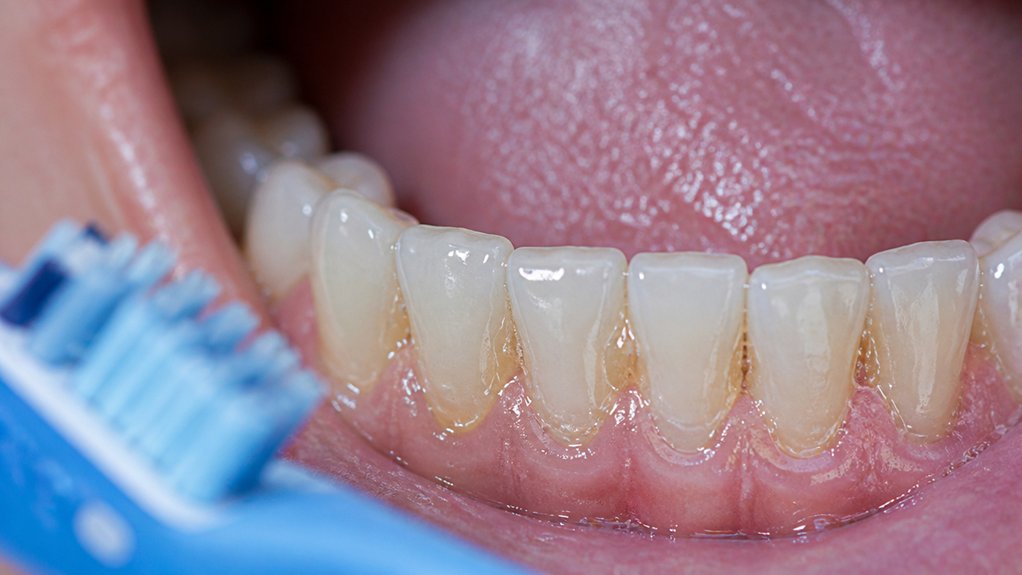
That slippery, fuzzy coating you feel on your teeth is dental plaque, a sticky bacterial biofilm that forms continuously on tooth surfaces.
Your toothbrush removes surface plaque, but it can’t reach deposits tucked along the gumline, between teeth, or in molar grooves.
Once plaque hardens into tartar, only a professional cleaning with specialized instruments can clear it from your enamel. The bacteria produce acid that actively damages your tooth enamel and leads to decay over time.
Tartar appears as an off-white or yellow buildup that accumulates along the gumline and cannot be reversed with brushing alone.
Left unaddressed, tartar buildup irritates the surrounding gum tissue, causing swelling and bleeding that signals the early stage of gingivitis.
Plaque Resists Home Brushing
When you run your tongue across your teeth and notice a slippery or fuzzy feeling, that sensation is plaque—a soft, sticky biofilm formed when food particles mix with saliva and oral bacteria.
Even thorough brushing removes only about 42–46% of plaque, meaning a significant portion remains after every session. Plaque accumulates between teeth, along the gumline, and within deep molar fissures—areas bristles simply can’t reach.
Without complete removal, residual plaque matures and can harden into tartar within days. Tartar bonds tightly to enamel and requires professional scaling to remove.
Disclosing tablets reveal just how much plaque persist after brushing, highlighting the limitations of home care alone. That lingering film is a reliable sign you’re due for a professional cleaning. Once tartar forms, only a dentist or hygienist has the tools necessary to safely remove it from your teeth. The bacteria within plaque feed on sugars and carbohydrates, producing acids that weaken tooth enamel and accelerate decay over time.
Some plaque types specifically target gum tissue, and red, puffy, or bleeding gums are early warning signs that gum disease may already be taking hold beneath the surface.
Professional Cleaning Removes Buildup
Plaque your brush leaves behind doesn’t just linger—it transforms. Within days, unremoved plaque mineralizes into tartar, a hardened deposit that bonds tightly to enamel. No amount of brushing removes it once it calcifies.
That’s where professional cleaning intervenes. Your dental hygienist uses manual scalers or ultrasonic instruments to mechanically dislodge tartar from tooth surfaces, gumlines, and interdental spaces.
Polishing follows, smoothing enamel and reducing conditions that accelerate redeposit. Professional flossing clears biofilm from contact areas your toothbrush can’t access.
Tartar’s rough, porous surface harbors bacteria that drive cavities, gum inflammation, and bad breath. Removing it lowers your bacterial load, reduces acid attacks on enamel, and interrupts the progression from gingivitis toward more serious periodontal disease. For patients with significant buildup, a debridement cleaning using special electric tools may be necessary before a standard prophylaxis cleaning can be performed.
Semiannual cleanings aren’t optional maintenance—they’re clinically supported prevention. Most patients benefit from cleanings every six months to stay ahead of tartar accumulation and avoid more complex dental interventions down the line. When gum disease has advanced, a deeper intervention known as scaling and root planing may be required to remove bacteria below the gumline and prevent further progression.
You Can See Yellow or Brown Buildup Along Your Gumline
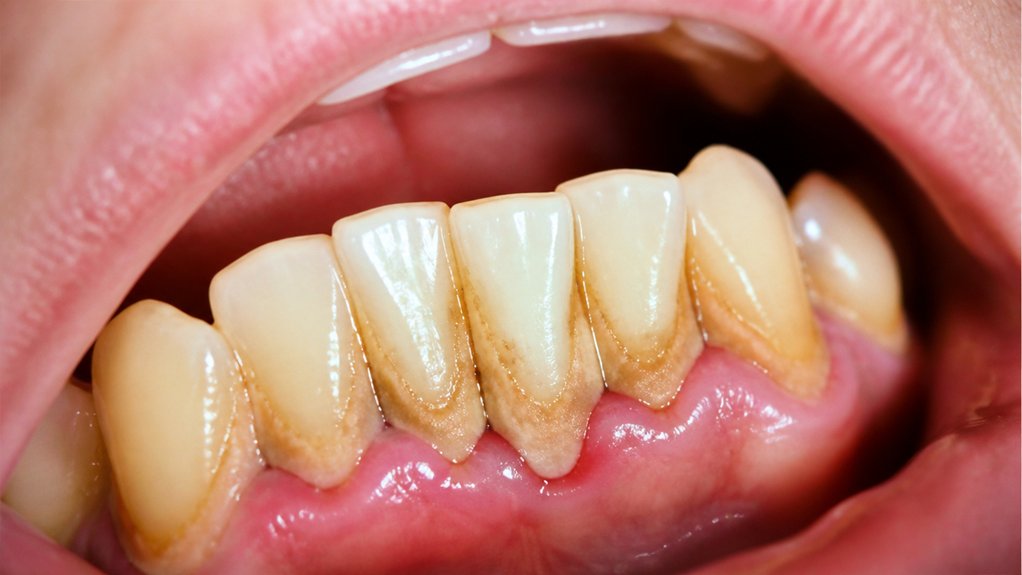
If you notice a yellow or brown crusty buildup along your gumline, you’re likely looking at tartar — hardened, mineralized plaque that no longer brushes away. Once plaque mineralizes, only professional scaling removes it safely.
| Feature | Plaque | Tartar |
|---|---|---|
| Texture | Soft, sticky | Hard, rough |
| Color | Pale yellow | Yellow to black |
| Location | All surfaces | Gumline, between teeth |
| Removable at home | Yes | No |
| Health risk | Moderate | High |
Tartar irritates gum tissue, fueling gingivitis and deeper periodontal disease. It also harbors bacteria that cause bad breath, gum recession, and root sensitivity. Delayed treatment allows deposits to extend below the gumline, complicating removal. Minerals in saliva are responsible for transforming soft plaque into the hardened deposits that attach firmly to tooth surfaces. Visible buildup means you need a professional cleaning now. Because tartar is porous and absorbent, it readily takes on stains from food, beverages, and tobacco, making discoloration along the gumline progressively worse over time. Without treatment, tartar can contribute to bone loss and loosening of teeth as periodontal disease advances deeper into the supporting structures.
Certain Foods and Drinks Are Suddenly Hurting Your Teeth
When hot coffee, cold water, or a piece of candy suddenly triggers sharp tooth pain, your enamel is likely compromised.
Thinning or damaged enamel exposes dentin—a porous layer that transmits temperature and sugar directly to your tooth’s nerve. Energy drinks, with pH levels between 1.5 and 3.5, are highly acidic and can accelerate this enamel erosion far more rapidly than many people realize.
Without professional cleaning to remove plaque and address early decay, that sensitivity will worsen as bacterial acids continue eroding your tooth’s protective surface. Gum recession can also expose tooth roots, further amplifying sensitivity to everyday foods and drinks.
Pain that lingers or throbs after eating sweets may signal a cavity rather than general sensitivity. If the discomfort is isolated to one tooth, decay could be actively breaking down your enamel from within. When left untreated, severe decay can lead to tooth loss, making permanent tooth replacement a necessary consideration to restore function and preserve surrounding bone structure.
Sensitivity Signals Enamel Damage
Sudden sharp pain when eating or drinking hot, cold, sweet, or acidic foods is one of the earliest warning signs that your enamel is eroding. Once enamel thins, exposed dentin transmits stimuli directly to nerve tissue, producing brief but intense pain.
| Trigger | Mechanism |
|---|---|
| Cold drinks | Rapid dentin nerve stimulation |
| Hot foods | Thermal pulp irritation |
| Sugary snacks | Bacterial acid accelerates demineralization |
| Citrus/sodas | Chemical dissolution of thinned enamel |
| Spicy foods | Direct contact with exposed dentin |
Since enamel can’t regenerate, sensitivity reflects cumulative, irreversible mineral loss. Pain isolated to one tooth suggests localized erosion or a crack. Persistent sensitivity despite fluoride toothpaste use signals structural damage requiring professional evaluation—not just routine care. Central incisors are typically the first teeth to show visible signs of enamel erosion, making early changes in their appearance a key indicator of progressing damage.
Decay Worsens Without Cleaning
Untreated plaque bacteria continuously metabolize dietary sugars into acids that erode enamel and deepen cavities over time.
When you skip regular cleanings, plaque biofilm and trapped food persist, driving lesions from early enamel involvement into deeper dentin decay. At that stage, you’ll often notice sharp, localized pain when consuming sweet, acidic, or cold items.
Sticky sweets, hard candies, citrus juices, and carbonated drinks are particularly damaging. They extend acid contact time against already compromised tooth surfaces, accelerating mineral loss.
Pain triggered specifically by one tooth when eating sweets or sipping acidic drinks typically signals a localized cavity that’s worsening, not generalized sensitivity.
Without professional removal of established plaque and calculus, decay progresses unchecked, making treatment increasingly complex and discomfort increasingly frequent.
Your Gums Are Receding and Your Teeth Look Longer Than Before
If your teeth have started looking longer than they used to, receding gums are likely the cause. As gum tissue pulls away from your teeth, it exposes more of the tooth surface and sometimes the root itself, creating that elongated appearance.
You may notice a yellowish band near your gumline where the darker root contrasts with your enamel, or feel a small notch when running your fingernail along the tooth.
Receding gums often come with sensitivity to hot, cold, or sweet foods and bleeding during brushing. These are signs of active periodontal disease.
Because plaque and calculus below the gumline can’t be removed at home, professional cleaning is essential. Without it, you risk deeper pocketing, bone loss, and eventually tooth loss. In more advanced cases, implant-supported restorations may become necessary to replace teeth that could not be saved due to untreated periodontal disease.
A Tooth Feels Loose or Your Bite Has Shifted
A tooth that feels loose or a bite that has suddenly shifted is one of the most serious warning signs your mouth can send you. These changes typically signal advanced periodontal disease, where chronic infection has destroyed the bone and ligament supporting your teeth.
| Warning Sign | Likely Cause | Consequence |
|---|---|---|
| Tooth mobility | Bone loss from periodontitis | Eventual tooth loss |
| Bite feels “off” | Teeth drifting from attachment loss | Occlusal instability |
| New gaps forming | Periodontal ligament destruction | Crowding or rotation |
Tartar buildup beneath your gumline drives this destruction silently. You may not feel pain until significant damage has occurred. Professional scaling, root planing, and consistent cleanings every six months can halt progression — but delays dramatically worsen outcomes. The connection between oral and holistic health means untreated periodontal disease can extend its impact beyond your mouth, contributing to systemic conditions such as high blood pressure.
Your Staining and Buildup Are Worse Because of What You Drink and Smoke
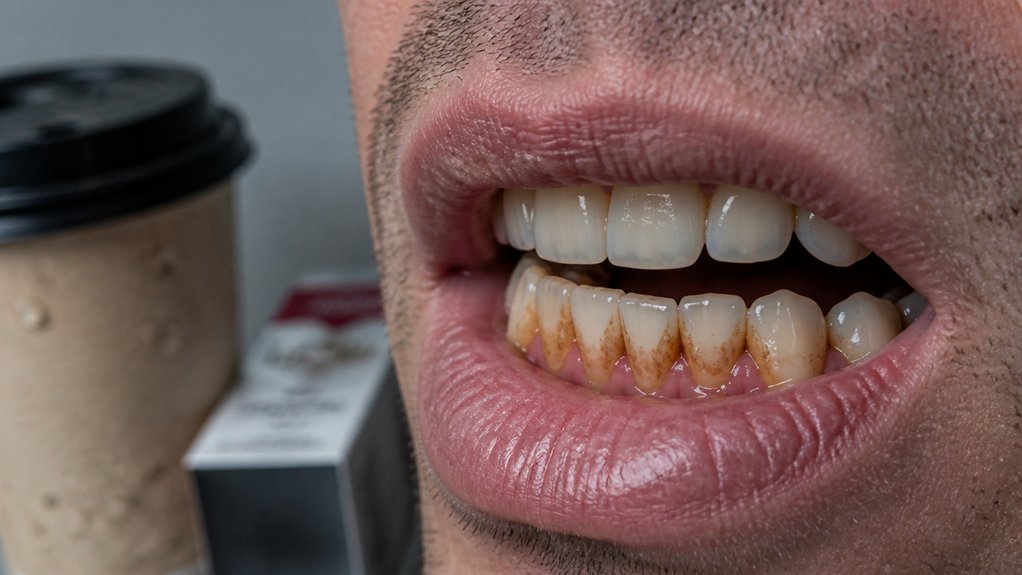
Three common culprits — chromogens, tannins, and acids — drive most of the staining and buildup that accumulates on your teeth. Chromogens bind directly to enamel, tannins help those pigments adhere more stubbornly, and acids erode enamel surfaces, creating microscopic crevices that trap pigment and plaque.
Coffee, tea, red and white wine, sodas, and energy drinks all contain combinations of these compounds. Even light-colored beverages cause significant erosion and discoloration.
Heavily pigmented sauces — soy, tomato, and curry — compound the problem further. Frequent exposure produces progressively darker, more diffuse staining and rougher enamel that routine brushing can’t fully address.
If your diet includes these beverages regularly, the staining and buildup you’re seeing aren’t incidental — they’re cumulative, and they require professional cleaning to remove effectively. For deep, set-in discoloration that persists after cleaning, the KöR whitening system provides targeted stain removal with minimal sensitivity.
It’s Been Over Six Months Since Your Last Cleaning
Six months marks the clinical threshold for routine preventive cleanings — and once you’ve crossed it, your oral health enters a higher-risk interval.
Plaque recolonizes within 8–10 weeks after a professional cleaning, meaning months of unchecked biofilm accumulate before your next visit.
Plaque returns within weeks — long before your next cleaning is ever scheduled.
Being overdue raises your risk for:
- Tartar buildup in interproximal spaces and along the gumline
- Gingivitis marked by red, bleeding, or puffy gums
- Deeper periodontal pockets harboring aggressive bacteria
- Cavities driven by prolonged enamel contact with plaque acids
- Undetected lesions, infections, or cracked restorations
Missing the six-month interval also removes a critical opportunity for early detection.
What’s caught at a routine cleaning is far less invasive to treat than conditions that progress silently between overdue visits.
Frequently Asked Questions
How Long Does a Professional Dental Cleaning Appointment Typically Take?
Your routine dental cleaning typically takes 30–60 minutes. If you need X-rays, a full exam, or have significant buildup, you’ll likely spend 45–60 minutes or more in the chair.
Does Dental Insurance Usually Cover the Cost of Routine Cleanings?
Yes, dental insurance usually covers routine cleanings at 100%. Most plans include two cleanings per year — think of it as your plan’s “reset button” — so you’ll typically pay nothing out-of-pocket for preventive care.
Can Children Experience the Same Signs Requiring Professional Teeth Cleaning?
Yes, your child can experience the same signs. Watch for bleeding, red, or swollen gums, visible tartar deposits, rough tooth surfaces, persistent bad breath, and new sensitivity—all indicating they need a professional cleaning now.
Is Teeth Cleaning Painful for People With Sensitive Teeth or Gums?
If you have sensitive teeth or gums, cleaning can cause mild to moderate discomfort. You’ll typically experience brief sharp pain during scaling, with post-cleaning soreness lasting one to seven days depending on your sensitivity level and gum health.
How Soon After Cleaning Will My Symptoms Noticeably Improve?
After a routine cleaning, you’ll notice improvement within a few days—sensitivity fades, gums calm down, and comfort returns within a week. Deep cleaning? Expect a slower 4–6 week healing timeline.
Conclusion
If your mouth were a wound, ignoring these signs would be like skipping bandages and hoping infection doesn’t spread. It always does. Research confirms that untreated gum disease progresses silently, often without pain, until damage becomes irreversible. You’ve now identified the warning signals. Don’t wait until a loose tooth or systemic inflammation forces your hand. Schedule your cleaning today. Early intervention is consistently the difference between a simple polish and a costly, complex treatment plan.
References
- https://www.goodallfamilydentistry.com/5-signs-its-time-for-a-teeth-cleaning
- https://www.crouchdentistry.com/blog/signs-you-need-a-deep-cleaning/
- https://www.palmersmiles.org/blogs/signs-you-need-a-professional-dental-cleaning
- https://thompsonfamilydental.com/blog/signs-teeth-cleaning/
- https://verodentalspa.com/blog/are-you-overdue-signs-you-need-a-dental-cleaning-now/
- http://www.goochlanddentistry.com/10-signs-its-time-for-a-dental-exam/
- https://www.gilroydentalassociates.com/blog/10-signs-of-good-oral-hygiene/
- https://sprhs.org/dental-cleanings-signs-you-need-to-get-one/
- https://www.puredentalhygiene.ca/blog/10-signs-you-should-visit-a-dental-hygienist
- https://www.perfectsmiletulsa.com/blog/bad-breath-after-brushing-and-flossing/
- https://poststreetdental.com/what-that-bad-smell-during-flossing-says-about-your-oral-health/
- https://www.bristlehealth.com/blogs/bad-breath-blogs/why-does-my-breath-smell-bad-even-after-brushing
- https://www.healthline.com/health/dental-and-oral-health/what-cause-bad-breath-even-after-brushing
- https://www.fabeydentalstudios.com/why-does-my-breath-still-smell-after-brushing/
- https://www.maupinandbrowndentistry.com/why-bad-breath-wont-go-away/
- https://www.woodland-dentist.com/hidden-reasons-bad-breath-after-brushing-and-flossing/
- https://my.clevelandclinic.org/health/diseases/17771-bad-breath-halitosis
- https://dentaldepotarizona.com/a-complete-guide-to-bad-breath-and-what-to-do-about-it/
- https://www.deltadentalwa.com/blog/entry/2018/08/causes-bleeding-gums
- https://www.wichitadental.com/blog/1389935-why-do-my-gums-bleed-when-i-brush-or-floss