How to Find an Anxiety-Free Dentist for Your Family
Walking into a dental office should not feel like stepping into a scary movie. Yet for many families, the thought of a dental visit sets off a wave of worry long before anyone sits in the chair. When someone in the household is nervous, the whole family often delays care, and that is where problems start to snowball.
We hear this every week from parents and adults who are trying to figure out how to find an anxiety-free dentist they can trust. They remember a painful shot or a rushed appointment from years ago, and now even the sound of a drill makes their heart race. With an estimated 30 to 40 million Americans living with dental anxiety, this is not a rare problem—and research on oral health behavior shows that anxiety directly influences whether people maintain regular dental care routines. It is very common, and it is very real.
Avoiding appointments might feel easier in the short term, but skipped cleanings and checkups turn small cavities into root canals and gum irritation into tooth loss. That is why learning how to find an anxiety-free dentist for the whole family matters so much. The right dental home turns visits from something everyone dreads into calm, predictable experiences.
In this guide, we walk through what anxiety-free dentistry really looks like, how dental fear affects each age group, which technologies and sedation options can keep visits comfortable, and the exact steps to compare offices in Melbourne and West Melbourne, Florida, or any community. By the end, you will know what to look for, what to ask, and how a practice like Toland Dental can help your family relax in the chair instead of bracing for the worst.
Key Takeaways
Before diving into the details, it helps to see the big picture of what we cover in this guide and how it answers the question of how to find an anxiety-free dentist for a family.
An anxiety-free dental practice starts with people, not equipment. A kind, relationship-focused team listens without judgment, explains everything in plain language, and gives patients control during visits. When the first phone call feels calm and respectful, it is a strong sign that the rest of the experience will follow the same pattern.
Comfort-focused offices use modern technology and flexible options to reduce fear and pain. Computer-assisted numbing, quiet electric handpieces, laser dentistry, low-radiation imaging, and safe sedation dentistry all work together to make treatment feel easier, especially for anxious children, adults with past trauma, and anyone facing longer or more complex treatment.
The best way to find the right fit is to research, ask targeted questions, and schedule a no-pressure consultation. Practice websites, patient reviews, and an honest phone conversation reveal a lot, and an in-person visit confirms whether an office truly feels like a long-term dental home. When those pieces come together, dental care becomes more comfortable, more consistent, and far better for your family’s long-term health.
Understanding Dental Anxiety and Its Impact on Family Oral Health

Dental anxiety covers a wide range of feelings. Some people feel a little nervous the night before an appointment. Others have such strong fear that they cancel visits for years and avoid the dentist completely. When that fear becomes so intense that it stops someone from getting care, it is often called dental phobia.
This fear usually has a history behind it. Many anxious patients remember a painful or rushed visit as a child. Others worry deeply about needles, numb lips, or the sound and vibration of a drill. Some feel out of control when they lean back in the chair. Many are embarrassed about the state of their teeth and gums and worry they will be judged or lectured.
Dental anxiety affects each member of the family in different ways:
A worried parent might put off booking cleanings for their children.
A teenager who had one bad filling may start skipping visits right when wisdom teeth and orthodontic checks matter most.
Seniors with medical conditions may feel extra vulnerable and fear long or complicated appointments.
When fear keeps families away, minor issues quietly grow. Small cavities turn into infections that need root canals or extractions. Mild gum irritation becomes periodontitis, which raises the risk of tooth loss and has been linked to heart disease and diabetes.
As the American Dental Association notes, regular dental care helps prevent small problems from developing into serious disease.
The hopeful part is that dental anxiety is very treatable. With the right team, clear communication, and calming tools, even long-avoided visits can become manageable, and oral health for the whole household can start to improve again.
The Defining Characteristics of an Anxiety-Free Dental Practice
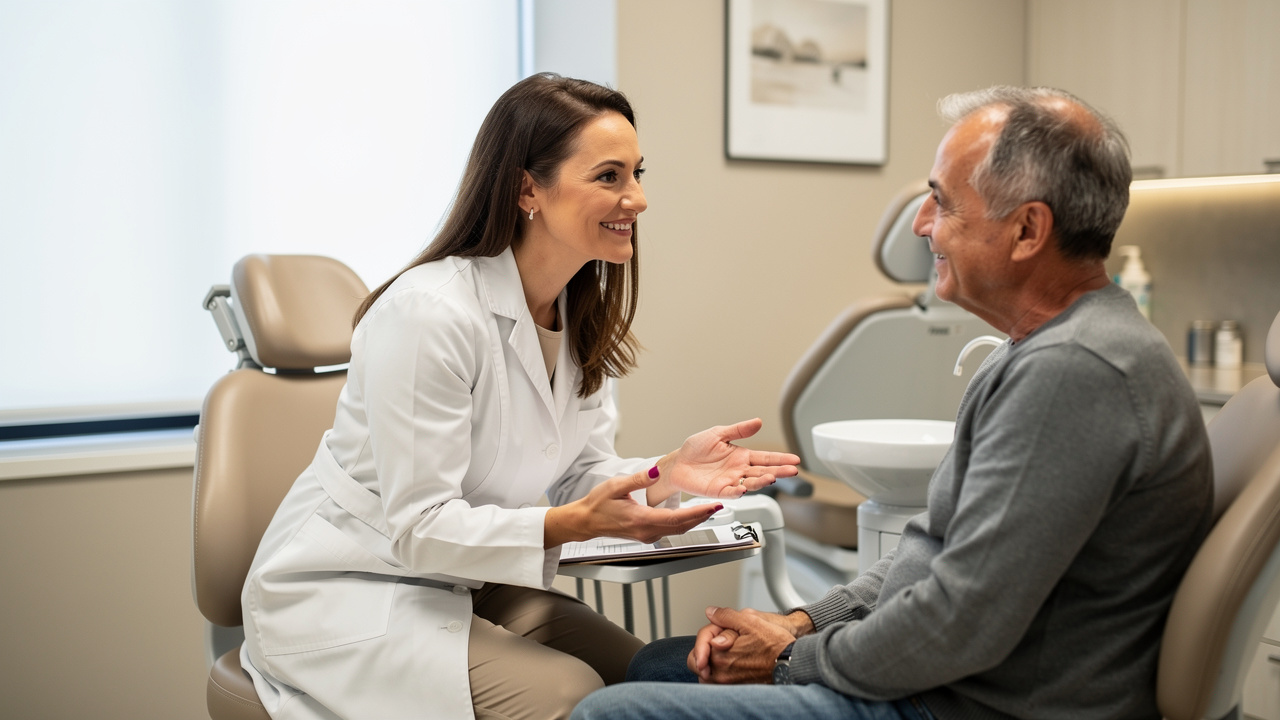
Anxiety-free dentistry is much more than a slogan on a website. It is a way of running a practice that shows up in every phone call, every exam, and every treatment plan. When families ask us how to find an anxiety-free dentist they can rely on, we encourage them to look at three big areas:
The attitude and training of the team
The quality of communication
The physical space and comfort amenities
A Relationship-Driven, Compassionate Dental Team
Relationship-focused care means seeing people, not just teeth. From the first time we speak with a new patient, we listen to their story, past experiences, and specific worries. That first phone call should feel calm and friendly, with plenty of time to ask questions and explain what has been hard about dental care in the past.
Inside the office, every team member needs to understand dental anxiety, not only the dentist. Front desk staff who greet patients with warmth, assistants who check in often during treatment, and hygienists who move at a pace that feels safe all play key roles. Over time, these repeated positive interactions build real trust. When someone knows they are always treated with patience and respect, anxiety slowly softens, and visits get easier.
“Dentistry is about more than teeth; it is about trust and respect.”
— Common saying among family dentists
Patient-Centered Communication and Transparency
Many fears grow from not knowing what will happen next. In an anxiety-free office, that mystery is removed. Before a procedure begins, the team explains what they are doing, why they recommend it, and what sensations to expect. During treatment, they pause to ask how things feel. Afterward, they review what was done and what the next steps look like.
A patient-centered approach also includes:
Clear treatment plans
Straightforward fees
Time to think before committing
Families deserve to know all their options, from the simplest to the most advanced, along with the pros, cons, and costs of each path. There is no pressure to say yes on the spot. When people have time to think and ask follow-up questions, they feel more in control and less afraid.
A Calming Physical Environment
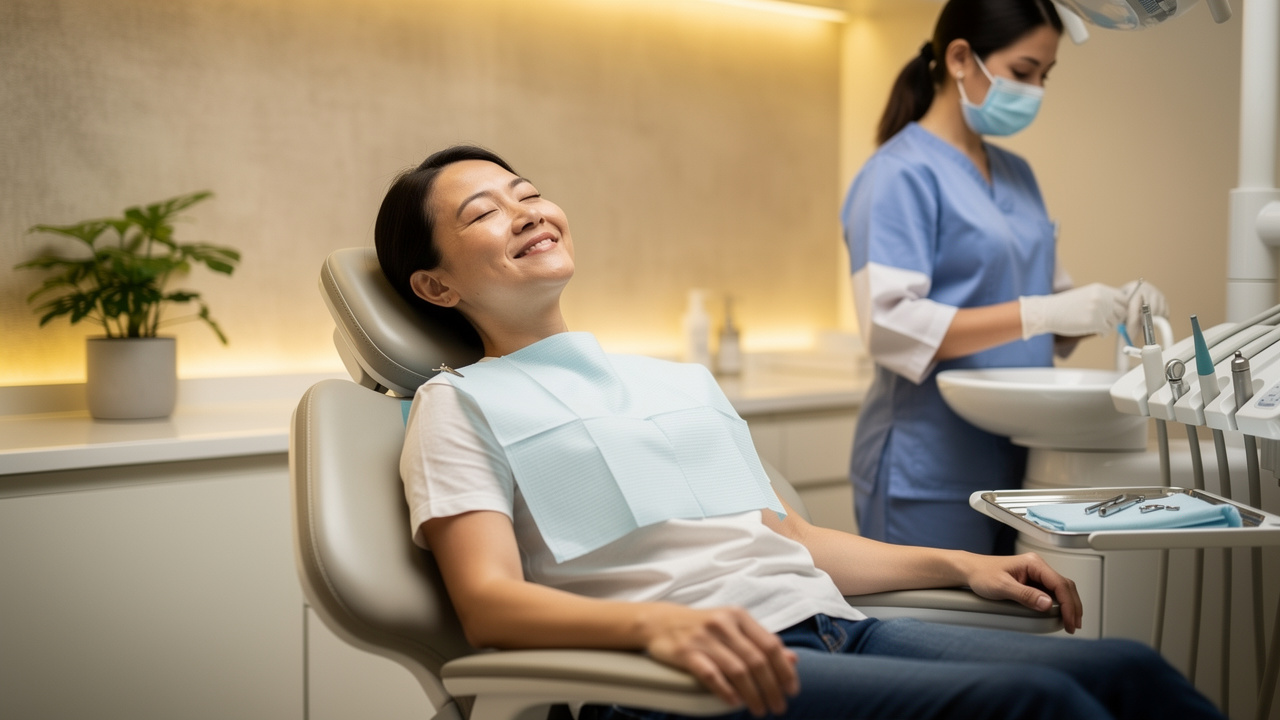
The look and feel of an office matter more than many people realize. A practice that truly supports anxious patients often feels more like a small spa than a clinic. Soft lighting, comfortable seating, tranquil colors, and gentle background music help the body start to relax the moment someone walks in.
Comfort amenities go even further. Warm blankets, pillows, headphones, and TVs over the chair give the mind something pleasant to focus on. At Toland Dental, our certified therapy dog, Piper, offers an extra level of calm for children and adults, supported by research documenting the effects of animal-assisted therapy in healthcare settings. Quiet visits with Piper before or after treatment help many nervous patients feel safe enough to move forward with care they have delayed for years.
Advanced Technology That Improves Comfort and Reduces Fear
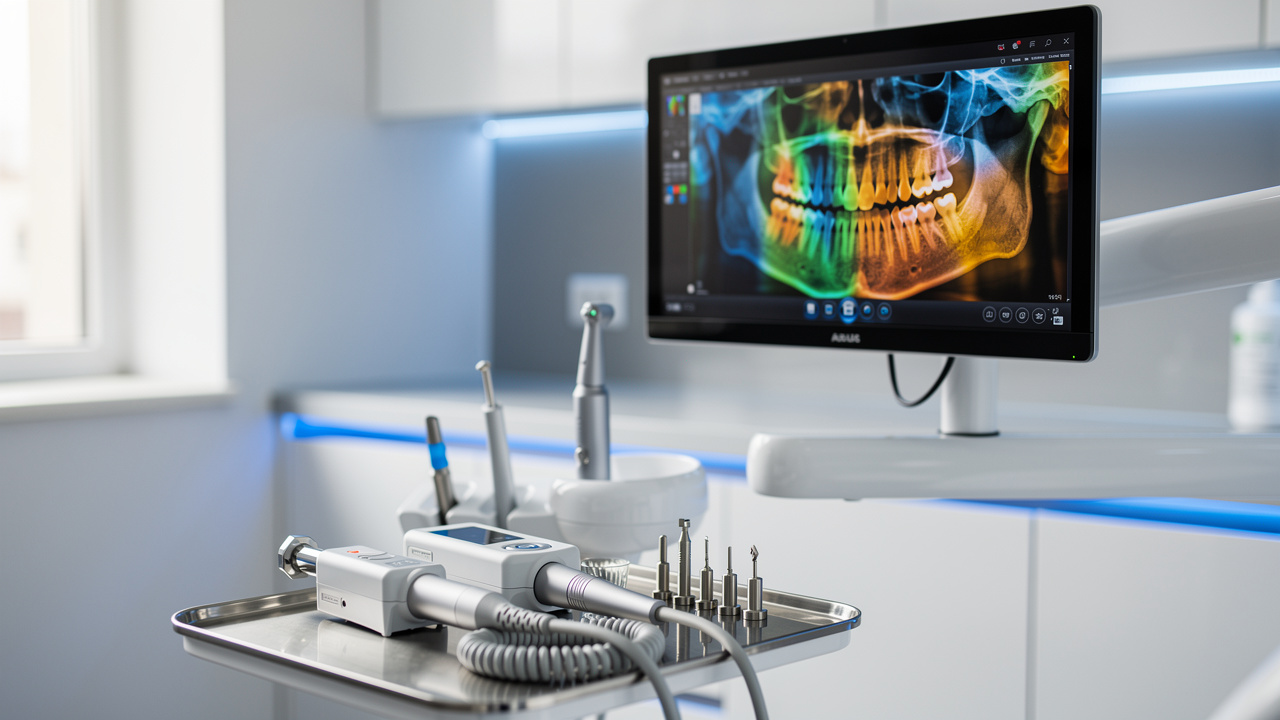
Modern dental tools can make a huge difference in how a visit feels. When families ask how to find an anxiety-free dentist, we always recommend checking which comfort-focused technologies a practice uses. Many common worries come from fear of pain, the sound of drills, and concern about X-rays. Today, we have better answers for each of those issues.
It helps to understand that local anesthesia and sedation are different. Local anesthesia numbs a specific area so a tooth or gum does not feel pain. Sedation works on anxiety and tension, helping the mind and body relax. An anxiety-aware office uses both thoughtfully, so numbing is gentle and emotions stay calm.
Comfort-focused technology might include:
Computer-assisted anesthetic systems that deliver numbing medication slowly and precisely, making injections far more comfortable for most patients
Quiet electric handpieces that replace the loud whine of older drills and create less vibration, lowering one of the biggest sound triggers for anxious people
Laser dentistry for some procedures, which can reduce bleeding, speed healing, and keep discomfort very mild
Low-radiation digital imaging, especially important for children who need regular monitoring as teeth and jaws grow
Gentle ultrasonic scalers for cleanings, which can feel smoother and less “scrapey” than older hand tools
When these tools are combined with a kind team and good communication, many patients are surprised by how uneventful even larger treatments can feel.
Your Complete Guide to Dental Sedation Options for Anxious Patients
For some people, a calming space and gentle techniques are enough. Others need an extra layer of help to sit through care. This is where sedation dentistry comes in. When families are learning how to find an anxiety-free dentist, they often want to understand the different kinds of sedation and who they are right for.
Sedation in a dental office is almost always a form of conscious sedation. That means a person stays awake and can respond to questions or simple requests, but feels deeply relaxed and less bothered by what is happening. This is very different from general anesthesia in a hospital, where a person is fully asleep and needs breathing support.
Different levels of conscious sedation match different levels of fear and different types of treatment. Lighter methods work well for short visits and mild anxiety. Deeper methods are better for strong dental phobia or long, complex procedures.
Nitrous Oxide Laughing Gas for Mild, Fast-Acting Sedation
Nitrous oxide, often called laughing gas, is one of the simplest and safest ways to ease mild to moderate dental anxiety. A small mask rests gently over the nose, and the patient breathes a mix of oxygen and nitrous oxide during the visit. Within minutes, most people feel relaxed, less worried, and more detached from sights and sounds.
This option is helpful for:
Children
Adults with a strong gag reflex
Anyone who wants to “take the edge off” without feeling drowsy all day
The gas is turned off as the appointment ends, and clear oxygen is breathed for a few minutes. The effects fade quickly, so patients can usually drive themselves home and return to school, work, or regular activities.
Oral Conscious Sedation for Moderate to Severe Anxiety
Oral conscious sedation uses a prescription pill to create a deeper level of calm. The medication is taken at home before the visit, following the dentist’s timing instructions. By the time the patient arrives at the office, they often feel very relaxed, sleepy, and unbothered by the idea of treatment.
This method is a good fit for:
People with stronger dental fear
Patients facing longer appointments
Anyone who prefers to remember very little of the visit
During treatment, the person is still breathing on their own and can answer simple questions, but they usually feel as if time passes quickly. Because the medicine affects reflexes and judgment for several hours, a responsible adult must drive to and from the office and stay nearby until the effects completely fade.
IV Sedation for Severe Phobia and Extensive Treatment
Intravenous, or IV, sedation offers the deepest level of conscious relaxation used in many dental settings. A small line is placed in a vein, and medication flows directly into the bloodstream. The effects begin quickly, and the dentist or anesthesia provider can adjust the level of sedation throughout the procedure.
IV sedation is often recommended for:
Patients with very strong dental phobia
People who need multiple implants or full-mouth reconstruction
Individuals with physical or medical reasons that make long visits extremely difficult
Because the effects linger, patients must fast before the appointment and have an escort afterwards. Careful monitoring of breathing, heart rate, and blood pressure throughout the visit helps keep this option very safe when provided by trained professionals in an appropriate setting.
Who Benefits Most from Anxiety-Free Dentistry?
While the phrase anxiety-free dentist may sound like it is only for people who are very afraid, nearly every patient gains something from a calmer, kinder approach. Some groups see especially big benefits when they find this kind of care.
People with severe dental phobia often have a long history of avoiding visits. For them, finding a practice that combines gentle staff, modern comfort technology, and sedation options can be life changing. Families who want one office for everyone also value anxiety-aware care, because a nervous parent, a sensory-sensitive child, and an older grandparent can all feel comfortable in the same space.
Others who benefit include:
Patients with a strong gag reflex
Those with very sensitive teeth and gums
Anyone needing several crowns, implants, or other complex work
Children building their first impressions of dentistry
Adults who carry trauma from earlier visits
Seniors with medical conditions or mobility challenges
How to Find and Evaluate Your Family’s Ideal Anxiety-Free Dentist

Knowing that gentle, anxiety-aware care exists is one thing. Knowing exactly how to find an anxiety-free dentist who fits a family’s needs is another. The good news is that a simple step-by-step process makes this search much easier and more focused.
Start by using the internet wisely to build a shortlist. Then dig into reviews to see what patients with fear are saying. Follow that with a thoughtful phone call, and finally, schedule a no-pressure consultation to confirm how everything feels face-to-face. Each stage gives more information and helps narrow the field.
Step 1: Conduct Targeted Online Research
A basic search for dentists in Melbourne or West Melbourne, Florida, is only a first step, much like researchers approach healthcare research topics with systematic investigation methods. To find offices that truly understand anxiety, use phrases like “sedation dentistry,” “gentle family dentistry,” and “anxiety-free dentist” along with your town name. Practices that mention these topics right away usually consider them a priority.
Next, visit each practice’s website. Look for full pages about dental anxiety, patient comfort, or sedation. Read the “About” section to see how the team describes its values. Do they talk about listening, treating patients like family, or building long-term relationships? Notice whether the site highlights care for children, adults, and seniors under one roof, which is helpful for families seeking a single dental home.
Step 2: Read Patient Reviews and Testimonials
Online reviews can give a clear picture of how a team treats anxious patients. Focus on comments where people mention being nervous, scared, or ashamed of their teeth. Pay attention to words like gentle, patient, kind, nonjudgmental, and painless.
Look for details instead of vague praise. When someone explains that they had avoided dentists for years and now feel calm with a particular office, that story tells more than a short “great visit” comment. Take note of patterns about the entire staff, not only the dentist, since every interaction matters for anxious families.
Step 3: Make an Informative Initial Phone Call
Once you have a shortlist, call each office and treat the conversation as a mini-interview. Let the team member know right away that you or a family member has dental anxiety. Then listen carefully to how they respond.
Ask how they help nervous patients feel more comfortable and which sedation options they offer. Ask if they can schedule shorter, more frequent visits for people who struggle with long appointments. Notice whether the person on the phone sounds rushed or relaxed, and whether they take time to answer questions fully. That tone often reflects the culture of the whole practice.
Step 4: Schedule a No-Pressure Consultation Visit
After narrowing your list, schedule a consultation visit that is all about talking and planning, not jumping straight into treatment. Many offices, including Toland Dental, are happy to offer these visits as a way to start building trust.
During the consultation, pay attention to how the office feels when you walk in. Meet the dentist and key team members, and share specific fears or past experiences. Ask detailed questions about pain control, sedation, and how they pause treatment if you raise your hand. Notice whether you feel rushed or truly heard. If you leave thinking, “I could bring my whole family here and feel okay about it,” you are likely very close to finding your long-term dental home.
Questions to Ask During Your Consultation
A consultation is the perfect time to see whether a practice really lives up to the idea of anxiety-free dentistry. Having a written list of questions keeps the visit focused and helps compare different offices side by side.
Key topics to ask about include:
Training and experience
“What training does your team have in caring for anxious patients?”
“How often do you use sedation dentistry in your practice?”
Sedation options
“Which types of sedation do you offer?”
“How do you decide what fits my situation?”
Control and comfort
“Can I raise my hand to pause treatment at any time?”
“Will you explain each step before and during a procedure?”
Technology and scheduling
“Do you use quieter equipment or modern numbing tools?”
“How do you schedule anxious patients so visits do not feel rushed?”
As many dental educators remind students, “If you do not invite questions, you may never hear what the patient is really worried about.”
— Dental education principle
As you listen, notice how the dentist and team respond. A patient, open, and respectful tone says a lot about how future appointments are likely to feel.
Why Toland Dental Is Your Partner in Anxiety-Free Family Dentistry
At Toland Dental, we built our practice in Melbourne and West Melbourne, Florida, around a simple belief: every person deserves calm, compassionate dental care, no matter how long it has been since their last visit or how anxious they feel. When families ask us how to find an anxiety-free dentist they can depend on, we are proud to show how our daily routines match the principles in this guide.
We welcome toddlers at their very first visit, teenagers juggling school and sports, working adults, and seniors with complex needs. Our team focuses on education, prevention, and ethical recommendations, so each family member receives the right level of care without pressure or surprise fees.
Our Comfort-First Approach
Comfort comes first from the moment someone steps through our door. Our office design favors soft lighting, cozy seating, and a calm, friendly atmosphere. Many patients look forward to seeing Piper, our certified therapy dog, who offers cuddles and quiet company for children and adults with anxiety. A few minutes with Piper often lowers shoulders and slows breathing before a single instrument appears.
We offer patient-centered sedation options such as nitrous oxide and oral conscious sedation, matched carefully to each person’s health and comfort level. Low-radiation digital imaging keeps families safer during X-rays, while gentle ultrasonic scalers and quiet electric handpieces make cleanings and treatments feel smoother. Flexible scheduling and treatment pacing mean we adjust visits to match how each patient feels, not the other way around.
Transparent, Ethical Care You Can Trust
Dr. Laif Toland built Toland Dental around clear, honest communication. We take time to show what we see on X-rays and photos, explain every recommendation in plain language, and outline different paths when more than one option makes sense. Upfront cost estimates help families plan, and there are no hidden charges waiting at the end of a visit.
We do not rush people into decisions. Instead, we focus on prevention and long-term health, which often saves families money and stress. When several family members are in care with us, we coordinate visits and treatment planning so their needs fit together smoothly.
Specialized Services for Every Family Member
Because we care for all ages, families can stay with one trusted office over many years. For young children, we emphasize gentle exams by age one, playful introductions to the chair, and simple explanations they can understand. Teens receive help with wisdom teeth monitoring, orthodontic referrals when needed, and confidence-building cosmetic care.
Adults find a judgment-free space for general and restorative dentistry, from fillings and crowns to carefully planned dental implants using 3D imaging and surgical guides. Seniors receive thoughtful care that respects medical history, medications, and changing oral needs. We also provide custom oral appliances for patients with sleep apnea or snoring, offering a comfortable alternative to CPAP for many cases. Cosmetic services, including advanced KöR Whitening, round out our care for patients who want brighter, more confident smiles without sacrificing comfort.
Conclusion
Dental anxiety is very common, and it can quietly affect the health of an entire family. Fear of pain, past trauma, or embarrassment about teeth keeps many people away from the care they need. Yet with the right information about how to find an anxiety-free dentist, that cycle does not have to continue.
A true anxiety-aware practice combines a compassionate team, calm environment, clear communication, modern comfort technology, and thoughtful use of sedation. These features are not extras. They are key parts of creating a dental home where children, adults, and seniors all feel safe and respected.
Taking time to research, read reviews, make an honest phone call, and schedule a consultation is an investment in long-term oral health for everyone in the household. When visits become predictable and comfortable, cleanings happen on schedule, small problems are caught early, and smiles stay healthier for years.
If you are in Melbourne or West Melbourne, Florida, we invite you to experience Toland Dental for yourself. Our team, and Piper the therapy dog, are ready to meet you where you are, listen to your concerns, and help each visit feel a little easier than the last. With the right partner, dental care can move from a source of stress to a steady, reassuring part of caring for your family.
FAQs
Is Sedation Dentistry Safe for Children and Adults?
Sedation dentistry is very safe when planned and provided by trained professionals who follow careful protocols. Before recommending any type of sedation, we review medical history, medications, allergies, and past experiences to choose the right level for each patient. Light methods such as nitrous oxide have been used with children and adults for many decades and have an excellent safety record.
During a sedated visit, we watch breathing, heart rate, and other vital signs closely. Clear instructions are given for before and after the appointment so families know exactly what to expect. Parents and adult patients can always discuss concerns in detail during a consultation.
Will I Remember Anything During My Dental Appointment With Sedation?
How much you remember depends on the type of sedation used. With nitrous oxide, most patients stay fully aware and can recall the visit, but they feel more relaxed and less focused on the details. Oral conscious sedation and IV sedation often create partial or near-complete memory gaps for the time in the chair.
Even with these deeper options, you stay conscious enough to respond to gentle prompts and move when asked. Many anxious patients see this lack of detailed memory as a benefit. When they look back, they remember feeling calm and supported, which often makes it easier to return for future appointments.
How Much Does Sedation Dentistry Cost, and Is It Covered by Insurance?
The cost of sedation varies by type, length of appointment, and location. Nitrous oxide is usually the least expensive option and is often billed in modest time blocks. Oral conscious sedation generally costs more, and IV sedation is usually at the higher end because of the added monitoring and training involved.
Some dental insurance plans help with sedation costs when it is considered medically necessary, for example, during extensive procedures or for patients with certain conditions. In cases of diagnosed sleep apnea treated with oral appliances, medical insurance may assist. Many practices, including Toland Dental, offer payment plans and will review fees before treatment so families can plan without surprises. Investing in comfortable care often prevents larger problems that could be far more expensive later.
What Should I Do to Prepare for a Sedation Dentistry Appointment?
Preparation depends on the type of sedation, and your dentist will give written instructions suited to your situation. For oral or IV sedation, patients are usually asked not to eat or drink for several hours beforehand. Comfortable clothing is recommended so it is easier to place monitors and keep you warm with blankets.
You will need a trusted adult to bring you to the office, stay on-site or nearby, and drive you home afterward. That person should also be free to stay with you for several hours while the sedative fully wears off. It is important to share a complete list of medications and health conditions before the visit. Plan to rest and avoid driving, major decisions, or operating machinery for the rest of the day.
How Do I Know if My Child Is Ready for Their First Dental Visit?
The American Academy of Pediatric Dentistry suggests that children see a dentist by their first birthday or within six months after the first tooth appears. Early visits are short and gentle. They focus on counting teeth, checking growth, and teaching parents how to care for little mouths at home.
A child-friendly office with staff trained to work with kids can make these first visits fun rather than scary. Toys, cartoons, kid-sized chairs, and even a therapy dog like Piper at Toland Dental all help build a positive link between children and dental care. Starting early in this calm way greatly reduces the chance that a child will grow up fearing the dentist, and it gives parents the tools they need to keep tiny teeth healthy from the start.