
Sleep Dentistry
Sleep Dentistry can happen when least expected. At Toland Dental, our Sleep Dentistry in Melbourne, FL, is ready to provide swift, compassionate care. Whether you’re dealing with tooth pain, a broken tooth, or other urgent needs, we’re here to help.
Restore Your Sleep with Custom Oral Appliance Therapy
Struggling with poor sleep, loud snoring, or morning headaches? Dr. Laif Toland understands how sleep disorders affect your entire well-being—not just your nights, but your energy, relationships, and overall health. Our Sleep Dentistry in West Melbourne, FL offers comfortable oral appliance therapy as an effective alternative to CPAP machines for treating sleep apnea and chronic snoring.
Ready to sleep better tonight?

Understanding Sleep-Related
Breathing Disorders
Sleep apnea affects over 22 million Americans, yet many remain undiagnosed and untreated. This serious condition occurs when your airway becomes blocked during sleep, causing breathing interruptions that can happen hundreds of times per night. Each episode jolts your brain awake—often without your awareness—preventing deep, restorative sleep.
Dr. Toland’s holistic health background helps him recognize the connection between oral health and sleep wellness. Having witnessed how systemic health problems often go unaddressed in traditional dental settings, he takes a whole-body approach to sleep disorder treatment that considers your complete well-being.
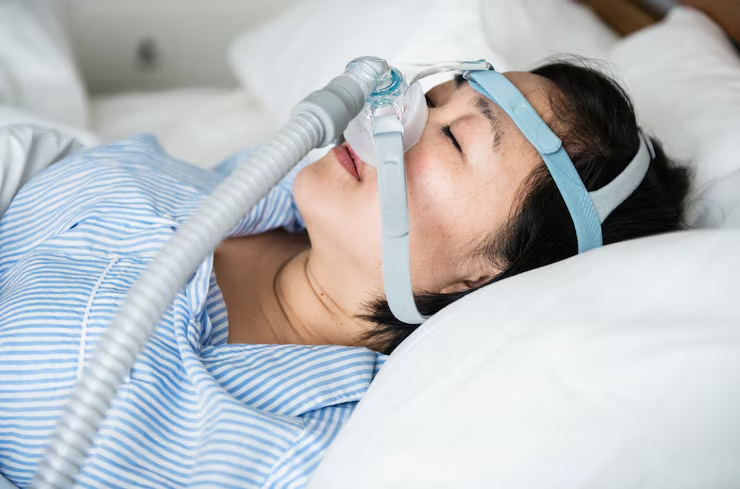
Common Signs of Sleep-Disordered Breathing
Many patients don’t realize their daily struggles stem from poor sleep quality. Do you experience:
- Chronic daytime fatigue despite spending 7-8 hours in bed
- Morning headaches that fade after being awake for a few hours
- Dry mouth or sore throat upon waking
- Difficulty concentrating or memory issues during the day
- Mood changes including irritability or depression
- Loud, persistent snoring that disrupts your partner’s sleep
- Gasping or choking sounds during sleep (often reported by partners)
These symptoms indicate your body isn’t getting the oxygen-rich sleep it needs for proper functioning and healing
How Sleep Apnea Affects
Your Whole Body
Sleep apnea isn’t just about snoring—it’s a serious medical condition with far-reaching health consequences. When your breathing stops repeatedly during sleep, your body experiences stress similar to holding your breath while awake. This creates a cascade of health problems including:
Cardiovascular Impact
Repeated oxygen drops strain your heart, increasing risks of high blood pressure, heart attack, stroke, and irregular heartbeat. The constant stress on your cardiovascular system accelerates aging and reduces life expectancy.
Metabolic Disruption
Poor sleep affects hormones controlling hunger and metabolism, contributing to weight gain and diabetes risk. Many patients find weight loss nearly impossible without addressing their sleep disorder first.
Cognitive Function
Sleep fragmentation prevents your brain from consolidating memories and clearing toxins. This leads to “brain fog,” poor decision-making, and increased accident risk—especially while driving.
Relationship Strain
Loud snoring forces partners to sleep separately, while daytime fatigue and irritability affect emotional connections and intimacy.
Dr. Toland recognizes these connections because his diverse background in biology and mental health provides
insight into how oral health impacts total body wellness—an understanding that guides our patient-centered
treatment approach.
A Comfortable CPAP Alternative
While CPAP machines remain the gold standard for severe sleep apnea, many patients struggle with compliance due to
discomfort, noise, or claustrophobia. Custom oral appliances offer an effective, comfortable alternative
for mild to moderate sleep apnea and primary snoring.
How Mandibular Advancement Devices Work
Our custom-fitted oral appliances work by gently repositioning your lower jaw and tongue to maintain an open airway during sleep. This simple mechanism prevents the soft tissue collapse that causes snoring and breathing interruptions.
The science is straightforward: By advancing your jaw forward just a few millimeters, we create additional space in your throat, allowing unobstructed airflow throughout the night. Unlike one-size-fits-all devices sold online, our custom appliances are precisely calibrated for your unique anatomy and breathing patterns.
Advantages Over CPAP Therapy
Comfort and Compliance:
Oral appliances are small, quiet, and don’t require electricity or distilled water. Many patients who couldn’t tolerate CPAP find oral appliances completely comfortable.
Travel-Friendly:
No bulky equipment, special cases, or airline restrictions. Your appliance fits in your pocket, making travel effortless.
Partner-Friendly:
Silent operation means your partner enjoys uninterrupted sleep too, often improving both of your sleep quality and relationship satisfaction.
Ease of Use
Simply insert before bed and remove in the morning. No masks, tubes, or complicated setup procedures
Comprehensive Guide to Sleep Dentistry
Having experienced how healthcare providers sometimes prioritize profits over patient outcomes, Dr. Toland ensures your sleep treatment focuses entirely on your comfort, results, and long-term success. This means honest evaluation of whether oral appliance therapy is right for you, realistic expectations about outcomes, and ongoing support for optimal results.
Comprehensive Sleep Health Evaluation
Your sleep treatment begins with understanding your complete sleep health picture. During your consultation, we assess:
Sleep Pattern Analysis: Detailed discussion of your sleep habits, bedroom environment, and daily energy patterns helps identify contributing factors beyond airway obstruction.
Airway Assessment: Visual examination of your throat, tongue position, and jaw alignment reveals anatomical factors affecting your breathing during sleep.
Medical Collaboration: We coordinate with your physician or sleep specialist to ensure your treatment plan addresses all aspects of your sleep disorder.
Lifestyle Factor Review: Diet, exercise, stress levels, and other lifestyle elements significantly impact sleep quality and treatment success.
Our therapy dog Piper is often present during consultations, providing comfort for patients who feel anxious about discussing their sleep struggles or starting new treatments.
Custom Appliance Fitting Process
Initial Consultation: Comprehensive evaluation determines if you’re a candidate for oral appliance therapy. We discuss your symptoms, medical history, and treatment goals.
Digital Impressions: Using advanced scanning technology, we create precise digital models of your teeth and bite relationship for optimal appliance fit.
Custom Fabrication: Your appliance is crafted by specialized dental laboratories using high-quality materials designed for comfort and durability.
Fitting Appointment: We ensure proper fit, comfort, and effectiveness while teaching you proper insertion, removal, and care techniques.
Adjustment Period: Follow-up appointments allow fine-tuning for maximum comfort and effectiveness as you adapt to your appliance.
Not all sleep appliances are created equal. We provide only FDA-approved devices proven effective in clinical studies, ensuring you receive treatment backed by scientific research rather than marketing claims.
Mandibular Advancement Devices (MADs)
These appliances gently move your lower jaw forward to maintain airway space. Our preferred devices offer:
- Adjustable advancement allowing precise calibration for your anatomy
- Comfortable materials designed for all-night wear without irritation
- Durable construction lasting years with proper care
- Easy maintenance with simple cleaning routines
Tongue Retention Devices (TRDs)
For patients who cannot comfortably advance their jaw, tongue retention devices hold the tongue forward to prevent airway obstruction. These specialized appliances work well for specific anatomical patterns.
Combination Therapy Options
Some patients benefit from combining oral appliance therapy with other treatments such as positional therapy, lifestyle modifications, or specific breathing exercises for optimal results.
First Month: Adaptation and Adjustment
Week 1-2: Initial adjustment period where you become comfortable wearing your appliance. Mild jaw soreness or increased saliva production is normal and typically resolves quickly.
Week 3-4: Most patients notice improved sleep quality, reduced snoring, and increased morning energy as their body begins receiving consistent, restorative sleep.
Month 2-3: Optimization and Fine-Tuning
Follow-up appointments ensure optimal appliance fit and effectiveness. We may make small adjustments to maximize comfort and therapeutic benefit.
Sleep quality assessment helps us measure improvement in your symptoms and overall well-being.
Long-term Success: Better Sleep, Better Life
Improved Energy: Patients frequently report dramatic improvements in daytime alertness, concentration, and mood within the first few months.
Better Relationships: Partners enjoy quiet, peaceful nights, and improved daytime interactions with a well-rested spouse.
Health Benefits: Many patients experience improvements in blood pressure, weight management, and overall health markers as sleep quality improves.
Regular follow-up care ensures your appliance continues providing optimal results for years to come.
Before Your Appointment
Sleep Diary: Keep a one-week record of your sleep patterns, energy levels, and symptoms. This information helps us understand your specific challenges.
Medical Records: Bring any sleep studies, CPAP compliance reports, or relevant medical documentation from your physician.
Medication List: Include all prescription medications, supplements, and over-the-counter remedies that might affect sleep quality.
Partner Input: If possible, bring your sleep partner who can provide valuable observations about your nighttime breathing patterns.
During Your Visit
Our Melbourne, FL office provides a comfortable environment for discussing your sleep concerns. We take time to understand your unique situation without rushing through a checklist—because quality sleep deserves quality care.
Comprehensive evaluation includes airway assessment, bite analysis, and discussion of your sleep goals and lifestyle factors.
Treatment options are explained clearly, including realistic timelines, expected outcomes, and ongoing care requirements.
Financial planning includes insurance verification and payment options to make your sleep treatment accessible and manageable.
Proper care ensures your appliance remains comfortable, hygienic, and effective throughout its lifespan.
Daily Care Routine
Morning Care: Remove your appliance upon waking and rinse with cool water. Brush gently with a soft-bristled toothbrush using antibacterial soap or specialized appliance cleaner.
Evening Preparation: Clean your appliance before bedtime insertion. Ensure your teeth are thoroughly brushed and flossed for optimal oral hygiene.
Storage: When not in use, store your appliance in its protective case with adequate ventilation to prevent bacterial growth.
Weekly Deep Cleaning
Deep disinfection using specialized cleaning tablets or solutions removes bacteria and prevents odor buildup.
Inspection for wear patterns, cracks, or loose components helps identify when adjustments or repairs might be needed.
Long-term Maintenance
Regular check-ups every six months ensure your appliance continues fitting properly and providing effective treatment.
Professional cleaning during your routine dental visits keeps your appliance in optimal condition.
Replacement planning typically occurs every 3-5 years, depending on wear patterns and changes in your oral anatomy.
Insurance Benefits
We help verify your benefits and work with various insurance plans to maximize your coverage for:
- Initial consultation and diagnostic procedures
- Custom appliance fabrication and fitting
- Follow-up care and adjustments
- Replacement appliances when necessary
Flexible Payment Options
Because quality sleep affects every aspect of your health and life, we offer various payment plans to make treatment accessible:
- Insurance coordination to minimize your out-of-pocket costs
- Flexible payment plans spreading treatment costs over manageable monthly payments
- HSA/FSA acceptance allowing you to use pre-tax dollars for your care
- Family discounts when multiple family members need treatment
The investment in better sleep pays dividends in improved health, productivity, relationships, and quality of life that extend far beyond the cost of treatment.
While sleep apnea develops gradually, certain situations require immediate attention:
Severe breathing interruptions witnessed by partners, especially if associated with gasping, choking, or unusual color changes
Sudden worsening of sleep quality after illness, weight gain, or medication changes
Daytime sleepiness affecting driving safety or work performance
Cardiovascular symptoms such as chest pain, irregular heartbeat, or severe morning headaches
Our office provides guidance for managing urgent sleep-related concerns and coordinates with medical providers when immediate medical attention is necessary.
For non-urgent questions about your sleep appliance or treatment, call 321-768-0991 during regular office hours for prompt assistance.
Sleep Dentistry and Your Overall Oral Health
Sleep disorders often interconnect with other oral health issues, creating opportunities
for comprehensive dental care that addresses multiple concerns simultaneously.

TMJ and Sleep Connection
Sleep apnea and TMJ disorders frequently occur together. Jaw positioning during sleep affects both breathing and joint comfort, making coordinated treatment beneficial for many patients.

Grinding and Clenching
Sleep disorders often increase teeth grinding and clenching, which can damage teeth, restorations, and jaw joints. Our sleep appliances can be designed to provide both airway support and tooth protection.
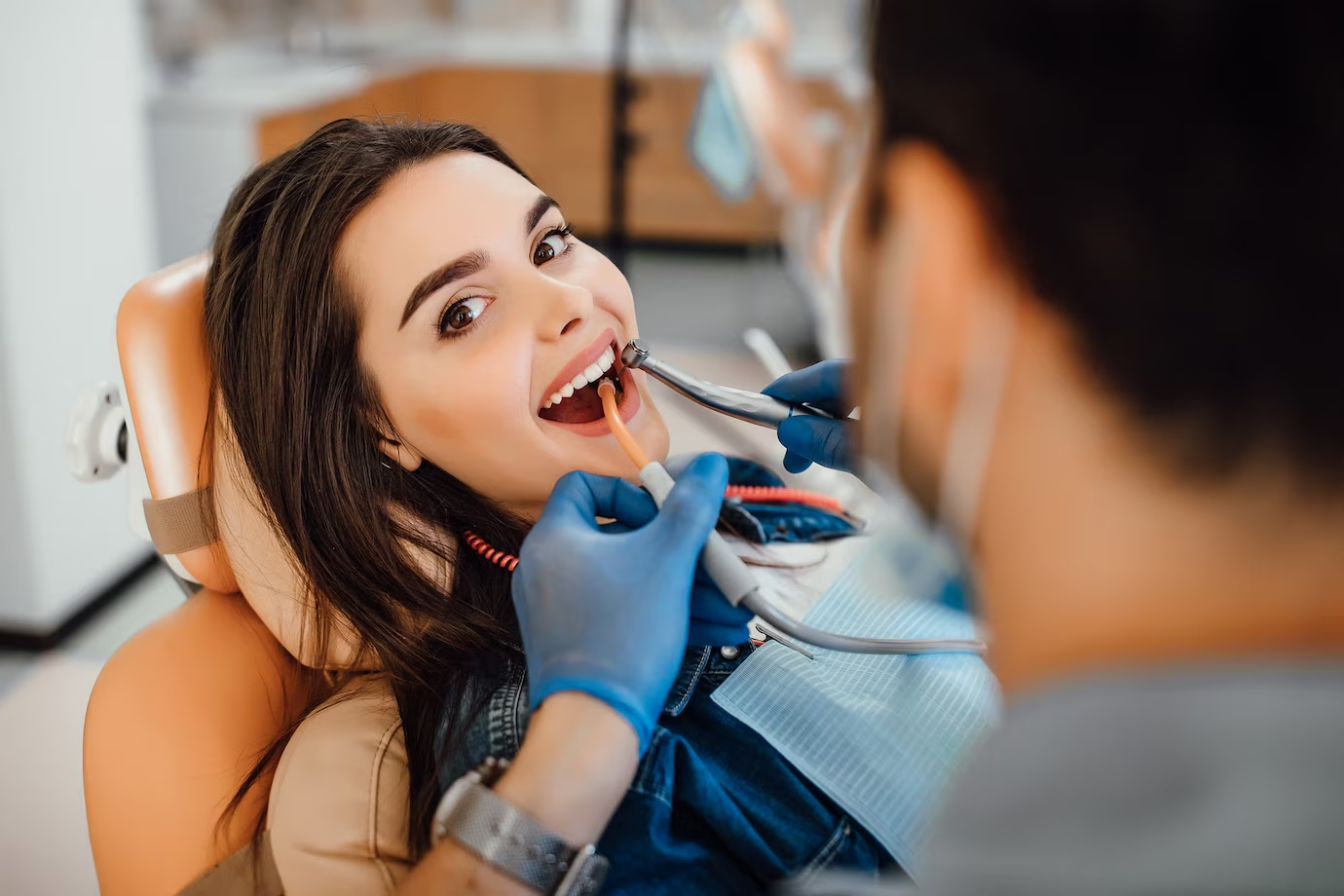
Dry Mouth Management
Sleep apnea frequently causes dry mouth, increasing cavity and gum disease risk. Our preventive dental care includes strategies for managing dry mouth while treating your sleep disorder.
Related Sleep and Wellness Services
Comprehensive Family Sleep Assessment
Poor sleep often affects entire families. Our family dentistry services include sleep health evaluation for all family members, since children can also develop sleep-disordered breathing that affects their growth, learning, and behavior.
TMJ and Facial Pain Treatment
Sleep disorders and jaw problems frequently interconnect. Our general dentistry services include evaluation and treatment of TMJ disorders that may be contributing to your sleep difficulties.
Preventive Care for Sleep Health
Regular dental care supports sleep health by addressing oral issues that can worsen sleep disorders. Gum disease, oral infections, and tooth pain can all disrupt sleep quality and interfere with appliance therapy success.
Frequently Asked Questions About Sleep Dentistry
Ready to Discover Your Smile’s Potential?
Don’t let another day pass wishing your smile looked different. Dr. Toland’s honest, conservative approach to cosmetic dentistry
in West Melbourne, FL can help you achieve the natural-looking improvements you’ve been hoping for.
Take the first step today:
Serving Melbourne and nearby communities
Toland Dental welcomes patients from across the area — Melbourne, West Melbourne, Palm Bay, Satellite Beach, Viera, and Cocoa Beach. Our office is at 575 S Wickham Rd STE D, West Melbourne, FL 32904.