
The Importance of Pediatric Dental Care for Kids
Many parents remember the first time they saw their child smile and thought, “I want to protect that forever.” Teeth are a big part of that picture, yet families are often told that baby teeth do not matter very much. The truth is that the importance of pediatric dental care starts long before the first wiggly tooth and affects health, confidence, and how a child feels about the dentist as an adult.
Small choices in the early years create big changes later, and research shows that parents’ awareness of their children’s oral health directly impacts long-term outcomes. Healthy baby teeth help children eat, speak, sleep, and learn without pain. They also guide jaw growth and the position of adult teeth. When early care is ignored, kids can face cavities, infections, missed school days, and a deep fear of dental visits that can follow them for life.
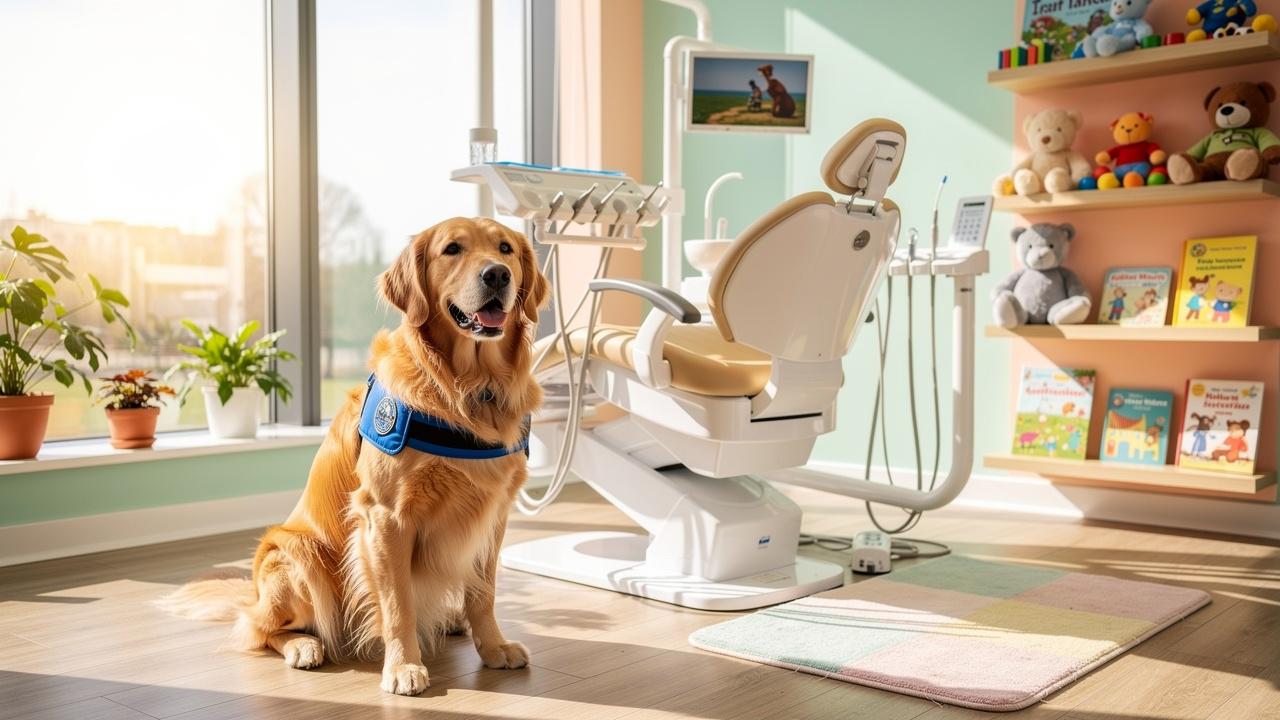
At Toland Dental in Melbourne and West Melbourne, we work hard to give families a different kind of first impression. Our office is calm and family‑friendly, parents stay with their children, and Piper, our certified therapy dog, is often the first one to say hello. We combine gentle care with modern tools to show families how pediatric oral health fits into overall wellness, not just “fixing teeth.”
By the end of this article, we will walk through why baby teeth matter, when to start visits, how to protect little smiles at home, and what makes our approach at Toland Dental special. Our goal is simple: we want families to feel confident, informed, and ready to give their children a healthy start that can last a lifetime.
Key Takeaways
Before diving into the details, it helps to see how the importance of pediatric dental care shows up in daily life.
Early visits set the tone for the future. Seeing a dentist by the first birthday or within six months of the first tooth lets us prevent problems instead of reacting to them and helps children see dental visits as normal and safe.
Baby teeth do real work. They help children chew, speak clearly, hold space for adult teeth, and feel confident when they smile. Losing them too early can mean pain, trouble eating, and a higher chance of orthodontic care later.
Prevention saves time, money, and stress. Fluoride, sealants, regular cleanings, and good home care usually cost less than treating advanced decay and lower the chance of dental fear linked to painful emergencies.
Daily habits matter as much as office visits. Smart food choices, limiting sugary drinks, brushing with fluoride toothpaste, and age‑appropriate flossing all support strong teeth and gums.
The right dental home changes everything. A pediatric‑focused, family‑friendly practice like Toland Dental—with Piper the therapy dog, gentle technology, and parent involvement—supports healthy teeth, growth, speech, sleep, and overall development.
Why Baby Teeth Deserve The Same Care As Permanent Teeth

We often hear a version of the same sentence at that first visit: “They are just baby teeth, right?” Because these teeth fall out, it can be easy to think they are not very important. Yet the science is clear: the importance of pediatric dental care starts with baby teeth, because these twenty small teeth do big jobs for many years.
Baby teeth usually appear around six months and continue to come in until about age three. Most children keep at least some of them until age ten to twelve, and the last baby molars may stay until the early teen years. That means a child may rely on these teeth for a decade or more.
Healthy primary teeth support four key parts of development:
Chewing: Children can eat a wide range of healthy foods without pain.
Speech: Front teeth help the tongue and lips form many sounds.
Space for adult teeth: Baby teeth hold positions in the jaw so permanent teeth can come in straighter.
Self‑esteem: Kids know when teeth are broken, discolored, or missing, and that can change how they talk and smile around friends.
When baby teeth are lost early because of cavities or injury, nearby teeth drift into the empty space. This can block the path of permanent teeth, leading to crowding and bite problems that may need orthodontic care later. Ongoing pain from untreated decay can disturb sleep, make chewing difficult, and distract children in school.
At Toland Dental, we talk with parents about these real‑world effects during early visits, so it is clear that caring for baby teeth is not “extra.” It is a central part of a child’s overall health and of the importance of pediatric dental care.
Starting Early: The First Dental Visit And What To Expect
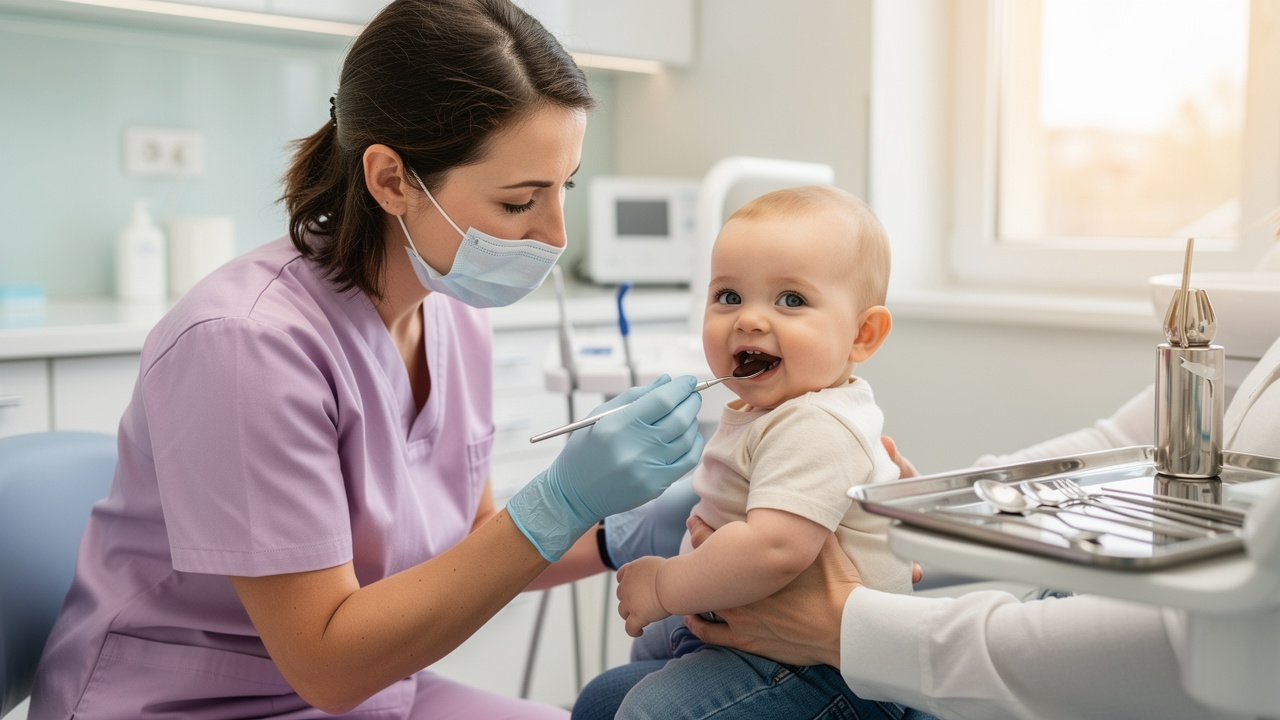
The American Academy of Pediatric Dentistry (AAPD) recommends that children visit a dentist by their first birthday or within six months of the first tooth appearing. Many families are surprised by that timing because they often hear that the first visit should wait until age three. Waiting that long can turn a simple, preventive visit into a visit driven by pain, cavities, or fear.
“The American Academy of Pediatric Dentistry recommends that a child go to the dentist by age 1 or within six months after the first tooth erupts.”
— American Academy of Pediatric Dentistry
When we start by age one, we focus on guidance and prevention. We check how the teeth, gums, and jaws are developing, talk through feeding and brushing habits, and look for early signs of risk long before a child feels discomfort. These early visits also introduce the office, the team, and the rhythm of a checkup in a calm way.
What Happens During Your Child’s First Visit At Toland Dental
From the moment families walk through the door, we want them to feel welcome and relaxed. Children usually meet Piper, our certified therapy dog, before they ever see a dental chair. Her calm, gentle nature lowers anxiety, and many children like to pet her while we talk with parents.
We begin with a warm greeting and a simple tour at the child’s pace. Dr. Toland uses a “Look, See, Do” approach:
Look: We show a mirror or small instrument and let the child see it.
See: We may demonstrate on a stuffed animal or let Piper “pretend” to get her teeth checked.
Do: When the child seems ready, we gently check their own teeth.
For the actual exam, we use child‑sized instruments and gentle hands, and studies demonstrate the comparison of dental findings between dentists and pediatricians shows the value of specialized pediatric dental expertise. We check the teeth, gums, bite, and jaw growth. When needed, we use low‑radiation X‑rays and small intraoral cameras to look between teeth or under the gums, showing parents exactly what we see on a screen.
We then spend time on parent education:
Brushing and flossing techniques
Teething comfort tips
Nutrition and snack ideas
How all of this supports the importance of pediatric dental care
Parents are encouraged to ask every question so they leave feeling informed, not rushed.
Building Trust And Preventing Dental Anxiety
One of our main goals during early visits is to build trust. Children who get to know the office when nothing hurts are far less likely to fear care later. We use simple words, move slowly, and praise cooperation, even for small steps like opening their mouth for a few seconds. Over time, visits feel predictable and safe.
Piper plays a big part in this process. Many anxious children relax when they can pet her, hold her leash, or sit with her nearby. For kids who still feel nervous, we offer comfort options such as nitrous oxide to help them relax during treatment, always with safety as our top priority.
Our waiting and treatment areas include toys, books, and child‑friendly decorations so the space feels familiar and cozy. By building these positive memories early, we support the importance of pediatric dental care and help children carry healthy attitudes into their teenage and adult years.
The Critical Prevention Window: Birth Through Age Three
From birth to age three, the mouth changes quickly. Teeth erupt, feeding patterns shift, and habits like thumb sucking or night bottles can quietly affect oral health. This window may look simple from the outside, yet it is one of the most sensitive times in a child’s dental development.
Early Childhood Tooth Decay (Early Childhood Caries) is one of the most common chronic conditions in young children. It may start as tiny white spots near the gums and progress to painful brown cavities that spread quickly. During this stage we focus on gentle daily care and clear guidance for parents, because the importance of pediatric dental care is especially strong when teeth are new and enamel is thin.
“An ounce of prevention is worth a pound of cure.”
— Benjamin Franklin
Infant Oral Care: Before The First Tooth
Mouth care starts even before the first tooth appears. After feedings, parents can wrap a clean, soft, damp washcloth or gauze around a finger and gently wipe the baby’s gums. This simple habit:
Clears away milk or formula
Reduces bacteria
Helps the baby get used to oral cleaning
Doing this especially after the last feeding before sleep is helpful, because saliva decreases at night and cannot rinse the mouth as well.
Another important point: cavity‑causing bacteria can pass from adult mouths to babies through shared spoons, shared toothbrushes, blowing on food, or kissing directly on the mouth. We talk with parents about avoiding these habits, not to create worry, but to give their child a cleaner start.
First Tooth To Age Three: Establishing The Foundation
Once the first tooth comes in (usually around six months), it is time to start brushing. We recommend:
A small, soft‑bristled baby toothbrush
A tiny smear of fluoride toothpaste (about the size of a grain of rice)
Brushing twice daily, especially before bed
As more teeth appear and begin to touch, daily flossing should start, even if there are only a few tight spaces. Around the first birthday, it is helpful to begin moving from a bottle to an open cup. Sending a child to bed with a bottle that contains anything other than water can bathe the teeth in sugar for hours.
At Toland Dental, we may offer fluoride treatments and personalized tips during these early visits so parents feel supported.
Understanding And Preventing Early Childhood Tooth Decay
Early Childhood Tooth Decay occurs when bacteria in the mouth feed on sugars from milk, formula, juice, or sweet snacks and produce acid that damages tooth enamel. Frequent sipping or snacking—especially during naps or at night—gives that acid more time to work.
Children with advanced decay may have trouble eating, speaking, or sleeping. Some need extensive treatment under general anesthesia. We teach parents to use the “Lift the Lip” method at home, gently lifting the upper lip to check for chalky white lines or brown spots near the gumline. Any change is a sign to call us right away.
Early care, combined with simple habits, is a powerful example of the importance of pediatric dental care during the first few years.
Essential Preventive Strategies: At Home And In The Dental Chair
The best protection for a child’s smile comes from a team approach. What happens at home every morning and night works together with what we do in the office during checkups. When both sides are in place, the chance of cavities drops and visits stay simple and low‑stress.
We view prevention as an investment. A few minutes of brushing and flossing, plus regular checkups, often spare families from the time, cost, and worry that come with urgent treatment.
Professional Preventive Treatments At Toland Dental
During routine visits, our team focuses on gentle but thorough cleanings. We remove soft plaque and hardened tartar that even careful brushing can miss, especially on back teeth and along the gumline. This lowers the chance of cavities and keeps gums comfortable.
We often apply fluoride varnish, a concentrated fluoride coating painted onto the teeth. It sets quickly and strengthens enamel, making it more resistant to acid and sometimes reversing early decay. For older children, we may recommend dental sealants on the chewing surfaces of permanent molars. Sealants are thin protective coatings that cover the deep grooves where toothbrush bristles and floss cannot easily reach.
To make care more precise and comfortable, we use low‑radiation X‑rays and small intraoral cameras that let families see what we see. When a cavity appears, we often use air abrasion for smaller repairs instead of a traditional drill, which many children find quieter and easier to handle.
Building Healthy Habits: Age-Appropriate Home Care
Good home care changes as children grow. Clear roles help parents know when to take charge and when to let kids practice more independence.
Ages 3–6 (Preschool):
Parents still do most of the brushing and flossing.
Use a pea‑sized amount of fluoride toothpaste.
Brush twice a day for about two minutes.
Floss once a day between any teeth that touch.
Make it fun: brush together, use a song or timer, and praise every effort.
Ages 7–12 (School Age):
Children can handle more on their own, but supervision helps.
Brush twice a day with fluoride toothpaste.
Clean between teeth daily with floss or interdental tools.
By age nine or ten, many kids can floss alone with a quick parent check.
Offer tooth‑friendly snacks like cheese, yogurt, apples, and raw vegetables, with water as the main drink between meals.
At Toland Dental, we demonstrate these techniques in the chair so kids understand why these habits matter for lifelong oral health.
Nutrition And Your Child’s Oral Health: What Every Parent Should Know

Food choices affect the teeth all day long. Bacteria in the mouth turn sugars and some starches into acid, which weakens enamel. The more often a child sips or snacks on sugary items, the more time that acid has to cause damage. Frequent small snacks can be more harmful than an occasional treat eaten with a meal.
We talk with families about both what children eat and how often they eat it. Simple changes can significantly lower cavity risk without making kids feel like everything fun is off‑limits.
Here is a quick comparison to guide choices:
| Tooth-Friendly Choices | Foods And Drinks To Limit |
|---|---|
| Water, especially fluoridated tap water | Soda, sports drinks, and energy drinks |
| Cheese and plain yogurt | Fruit juice and sweetened drinks, even when labeled natural |
| Apples and other crunchy fruits | Sticky candies and fruit snacks that cling to teeth |
| Raw carrots, celery, and other crisp vegetables | Chips, crackers, and pastries that leave soft starch on teeth |
A few practical tips:
Offer sweets with meals instead of alone, when saliva is higher and can help rinse the teeth.
Keep sippy cups filled with water rather than juice or milk between meals.
Avoid dipping pacifiers in sweeteners.
Include calcium and vitamin D–rich foods to support strong teeth and jaws.
When families see how food choices fit with home care and office visits, the importance of pediatric dental care feels practical and manageable.
Beyond Cavities: How Pediatric Dental Care Supports Total Child Development
Cavities are only part of the story, as global, regional and national research demonstrates that pediatric dental care impacts multiple aspects of child health and development beyond just tooth decay. Regular pediatric dental care also gives us a window into a child’s growth, speech, and overall health. Teeth, tongue, lips, and the roof of the mouth all work together for clear speech, so we pay attention to how sounds form as well as how teeth line up. If we notice something like a tongue tie or another structure that may affect speech, we talk with parents and, when needed, suggest a visit with a speech therapist or another specialist.
Jaw growth and bite alignment are another key focus. During checkups, we look for:
Crowding
Crossbites and overbites
Other patterns that might cause issues as the face grows
Early guidance can sometimes reduce the need for more complex orthodontics later, which is another way pediatric care supports the whole child.
We also talk with families about common habits such as thumb or finger sucking, prolonged pacifier use, and tongue thrusting. These habits are normal in toddlers and young children, but if they continue as permanent teeth start to come in, they can change the shape of the jaws and the way the front teeth meet. We offer gentle strategies and support to help children stop these habits before they cause lasting changes.
Active kids face bumps and falls, so injury prevention is part of our conversations too. We discuss mouthguards for sports and how to respond quickly if a tooth is chipped or knocked out. During every visit, we also check the gums and soft tissues because signs of general health conditions can sometimes show up in the mouth first.
At Toland Dental, we care for entire families, which lets us follow children from infancy through the teen years and connect what we see in the mouth with overall health patterns.
What Makes Toland Dental Different: A Patient-First Approach To Pediatric Care
Many parents say they feel a difference when they walk into our office compared with a large dental chain. Our team is small enough to know families by name, yet experienced enough to care for everyone from infants to grandparents. We center everything around comfort, communication, and long‑term relationships.
Piper, our certified therapy dog, is one of the first things families notice. Her calm, loving presence helps children relax, and many of our youngest patients talk more about seeing Piper than anything else. Dr. Toland has specialized training in working with therapy animals, so Piper’s role fits safely and smoothly into our care.
We also use a “Look, See, Do” style when introducing instruments and procedures. Children are shown what will happen in simple steps, often first on a stuffed animal or on the back of a hand. By letting them look, listen, and ask questions before we start, we reduce surprises and build trust.
In our office, parents are true partners. We welcome them into the treatment room, because a familiar face nearby helps children feel safe. While some corporate offices separate families, we believe shared information and shared comfort lead to better care. We explain findings in clear language, review X‑rays or camera photos together, and decide on next steps as a team.
Our technology is chosen with comfort and safety in mind. Low‑radiation X‑rays, intraoral cameras, air abrasion for certain cavities, and child‑sized instruments all help make visits smoother. For anxious patients, we offer nitrous oxide and other gentle options when needed, with careful monitoring. At the same time, we remain a full‑service family practice, offering cosmetic dentistry, restorative work, sleep apnea care, and whitening options such as KöR Whitening for adults who visit with their children.
Above all, our philosophy is simple: we place patient comfort ahead of profit. That means no rushed appointments, no pressure for unnecessary procedures, and plenty of time to listen.
Conclusion
When we step back and look at the full picture, the importance of pediatric dental care is clear. Healthy baby teeth support chewing, speech, jaw growth, and confidence. Early visits help protect those teeth from decay, guide daily habits, watch development, and build trust long before problems appear. Simple preventive steps almost always cost less and feel easier than waiting for pain or infection to trigger that first appointment.
We see every day how good experiences in childhood shape how adults feel about dental care. Children who grow up with calm, kind visits are much more likely to keep regular checkups later, which protects their smiles and overall health. That is why the American Academy of Pediatric Dentistry recommends a first visit by the first birthday, and why we encourage families not to wait.
At Toland Dental, we are honored to walk alongside families in Melbourne and West Melbourne as they care for their children’s smiles. With Piper the therapy dog, gentle technology, parent partnership, and a warm, family‑style environment, we work to make each visit positive and meaningful. If a child has not yet had a dental checkup—or if a family is looking for a new dental home—we are happy to welcome them and help protect their child’s smile from the very beginning.
FAQs
Question 1: When Should My Child Have Their First Dental Visit?
We follow the American Academy of Pediatric Dentistry guideline that children should see a dentist by their first birthday or within six months of the first tooth appearing. This timing lets us focus on prevention and education instead of waiting for a problem. Early visits help us check growth, give brushing and feeding guidance, and create a positive first impression of dental care. At Toland Dental, we design these appointments to be gentle and fun for babies and toddlers.
Question 2: How Can I Prevent My Child From Developing A Fear Of The Dentist?
Starting visits early and keeping them regular is one of the best ways to prevent fear. When children see the dentist for simple checkups, they learn that nothing scary is happening and the office becomes a normal part of staying healthy. Choosing a child‑friendly practice like Toland Dental, where Piper the therapy dog greets families and parents stay in the room, helps even more. At home, use positive words, avoid threats about the dentist, and stay calm yourself, since children notice adult emotions. Celebrating each visit with praise or a small non‑food reward can also build good feelings around care.
Question 3: Are Baby Teeth Really That Important If They’re Just Going To Fall Out?
Yes, baby teeth matter a lot. They let children chew properly, speak clearly, and smile with confidence. They also hold space in the jaws so that permanent teeth can come in straighter, which means that losing them too early often leads to crowding and bite problems. Cavities in baby teeth can hurt, cause infections, and even affect the adult teeth forming underneath. Ignoring baby teeth can lead to pain, missed school, higher treatment costs, and long‑term problems, which is why the importance of pediatric dental care starts from the very first tooth.
Question 4: What Happens If My Child Has A Cavity Despite Our Best Efforts?
Even with good home care, some children still get cavities, often due to factors like genetics, enamel strength, or bacteria levels. The good news is that regular checkups help us find these spots early, when treatment is quicker and easier. At Toland Dental, we use gentle methods such as air abrasion for many small cavities and can offer nitrous oxide to keep children relaxed. We focus on comfort, clear explanations, and support, not blame. Treating cavities early prevents pain, infection, and more serious problems later and gives us a chance to adjust habits for the future.
Question 5: How Often Should My Child See The Dentist?
Most children do best with checkups every six months. These visits allow us to clean the teeth, apply fluoride if needed, and watch how the teeth and jaws are growing. Children with a higher risk of cavities or other concerns may benefit from more frequent visits, and we talk with parents about that on a case‑by‑case basis. Regular appointments keep small issues from turning into big problems and help maintain comfort with the dental office. At Toland Dental, we offer convenient family scheduling so parents and children can often be seen on the same day.
Question 6: What Can I Do At Home To Protect My Child’s Teeth?
Home care is a major part of the importance of pediatric dental care. We suggest:
Brushing twice a day with fluoride toothpaste
A tiny smear for children under three
A pea‑sized amount for older kids
Flossing once a day wherever teeth touch
Limiting sugary snacks and drinks
Choosing water as the main drink between meals
Serving tooth‑friendly snacks like cheese, yogurt, fruits, and vegetables
Avoiding shared utensils or toothbrushes to reduce bacteria transfer
Supervising brushing until at least age seven to nine
When parents model good habits themselves, children are far more likely to follow their lead.